
Jade: The Stone of Heaven
General Overview:
For over 6,000 years, Jade has been prized as a symbol of nobility, wealth, and immortality. In many cultures, it is referred to as the "Stone of Heaven" and is gifted as a talisman for long life and good luck.
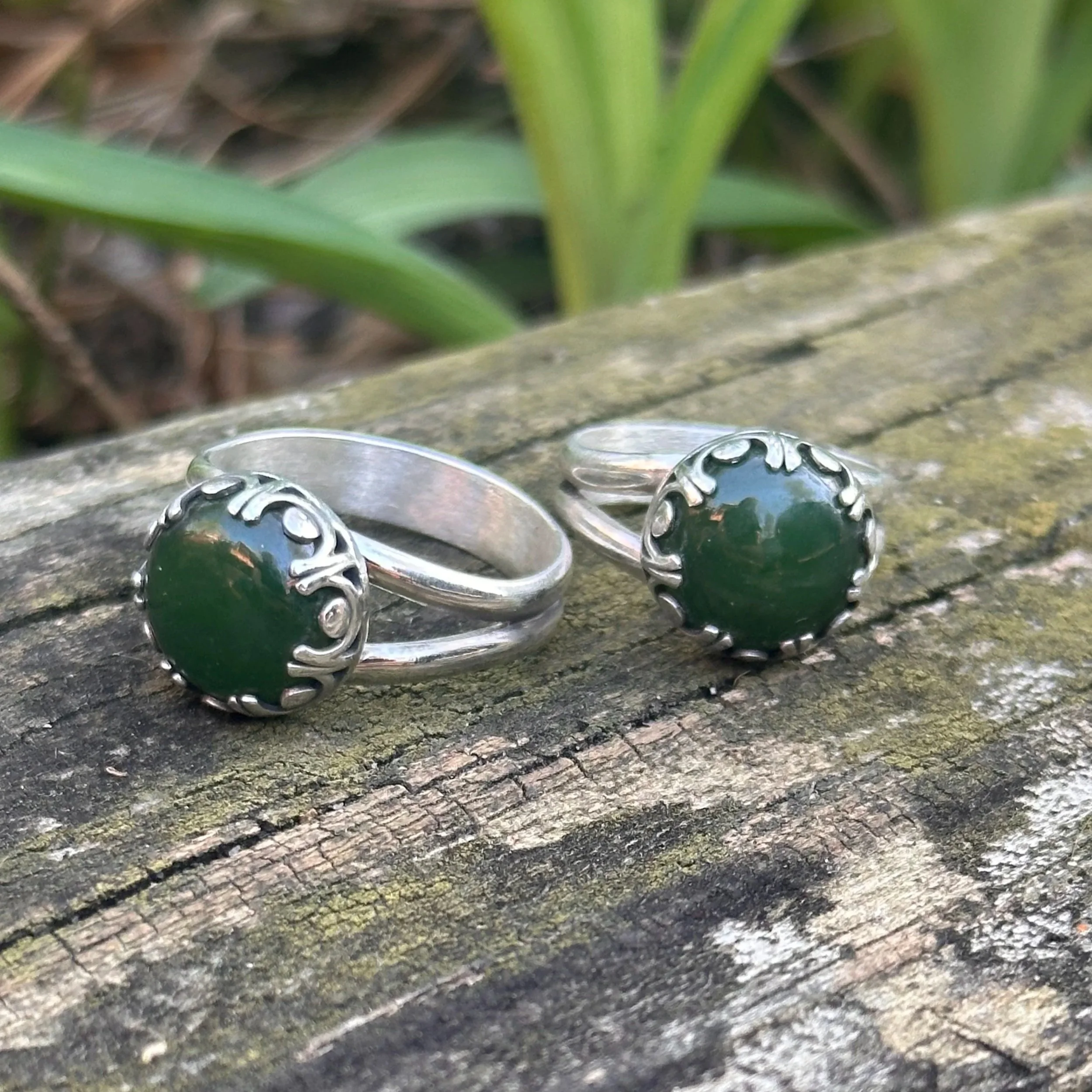
The Science:
Composition: "Jade" actually refers to two distinct minerals: Nephrite (tougher, more common) and Jadeite (rarer, more valuable).
Hardness: Nephrite is about 6–6.5, while Jadeite is 6.5–7.
Colors: While famous for green, it can be white, lavender, yellow, or even black.
Metaphysical Information:
Chakras: Primarily associated with the Heart Chakra.
Key Benefits: Known as a "Dream Stone," Jade is thought to help release negative thoughts and soothe the mind. It is widely used to attract abundance, prosperity, and harmonious relationships.
How to Care:
The Physical Care: Jade is incredibly tough (it was used for axe heads in ancient times!), so it handles everyday wear well. You can clean it with a soft brush and soapy water. Just avoid steam cleaners.
The Energetic Cleanse: Jade has a deep connection to nature. To recharge it, place it in the Soil of a healthy potted plant for 24 hours. This reconnects the stone to the Earth’s growth energy.
Jade’s status in China goes beyond ornament — it was written into how power itself was represented. Han dynasty nobility were sometimes buried in full suits stitched from hundreds of small jade plates, based on the belief that jade could preserve the body and protect the soul on its way to the afterlife. Imperial seals were carved from it, scholars carried small jade pieces as symbols of moral character, and the language itself absorbed the stone’s reputation — describing someone as having “jade-like virtue” was, and still is, real praise.
China is not the only civilization that put jade above gold. The Maya and the Olmec before them valued jade more highly than any precious metal, carving it into masks, pendants, and offerings for their rulers and gods. On the other side of the world, the Māori of New Zealand have their own deep relationship with a form of nephrite they call pounamu, treating individual pieces as taonga — treasures passed down through generations rather than bought and sold. Different cultures, oceans apart, arriving at the same conclusion about the same stone.
Today, the finest jadeite in the world still comes almost entirely from a single region in Myanmar, where the mines around Hpakant produce the deep, saturated green collectors call Imperial Jade. Nephrite has a wider footprint — British Columbia, Siberia, Taiwan, and New Zealand all produce significant quantities, which is part of why nephrite has stayed the more common, more affordable version of the stone even as jadeite prices climbed.
The two minerals look similar enough that most people cannot tell them apart without training, but they behave differently under the surface. Jadeite has a finer, more tightly interlocked crystal structure, which is what allows it to take on that almost glassy, saturated green when chromium is present. Nephrite’s fibrous structure makes it slightly tougher and less prone to chipping, but it rarely reaches the same intensity of color — most nephrite runs toward a softer, more muted spinach-green or creamy white instead.
That axe-head history is not an exaggeration or a marketing flourish — jade’s toughness comes from the way its mineral fibers interlock, which makes it resistant to fracturing in a way that is actually closer to how steel behaves than how most gemstones do. That is a long way of saying you do not need to baby a jade ring. It is one of the few stones in our lineup we genuinely recommend for someone who works with their hands all day.
Jade also carries a quieter, more domestic tradition in the West: it is the traditional gift for both the 12th and the 35th wedding anniversary, one of a handful of stones or materials assigned to more than one milestone year. However you come across a piece, the stone has spent six thousand years accumulating good associations, and none of them are about impressing anyone else — they are all about the person actually wearing it.
We like pairing jade with sterling silver rather than gold, which is a bit of a departure from how it is traditionally set — most historic jade jewelry leans toward yellow gold. Silver lets the green read cooler and a little more modern, and it keeps the stone from feeling like it belongs only in an heirloom piece. It layers easily with other green stones like chrysoprase for a monochrome look, or against a darker stone like onyx if you want more contrast.
Given how long jade has stood for long life, protection, and good fortune across so many unrelated cultures, it has always struck us as one of the more meaningful stones to give as a gift rather than buy for yourself. A piece someone else chose for you, meant to wish you well, carries a little more of that original intention than one you picked off a shelf — though we will not stop you from doing both.