
Jade: the stone that outlasted the empires that prized it
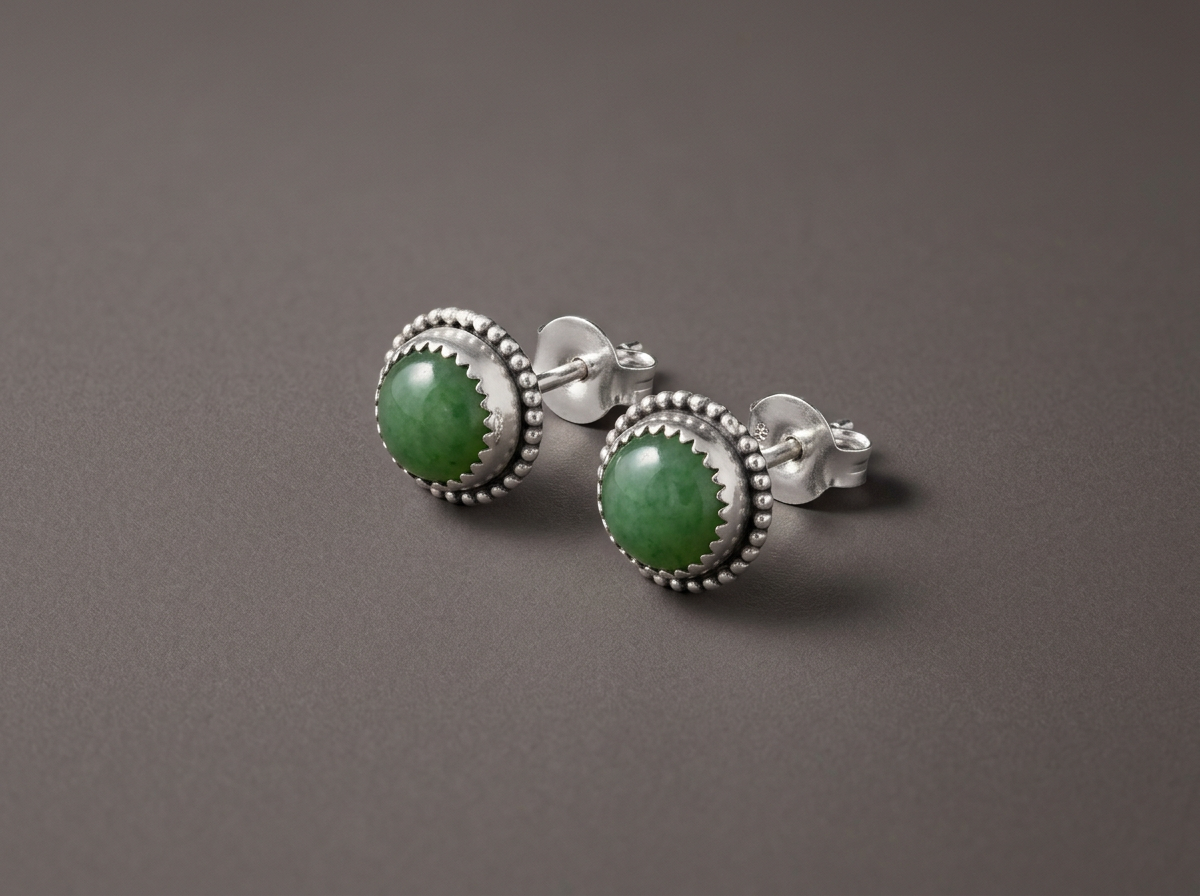
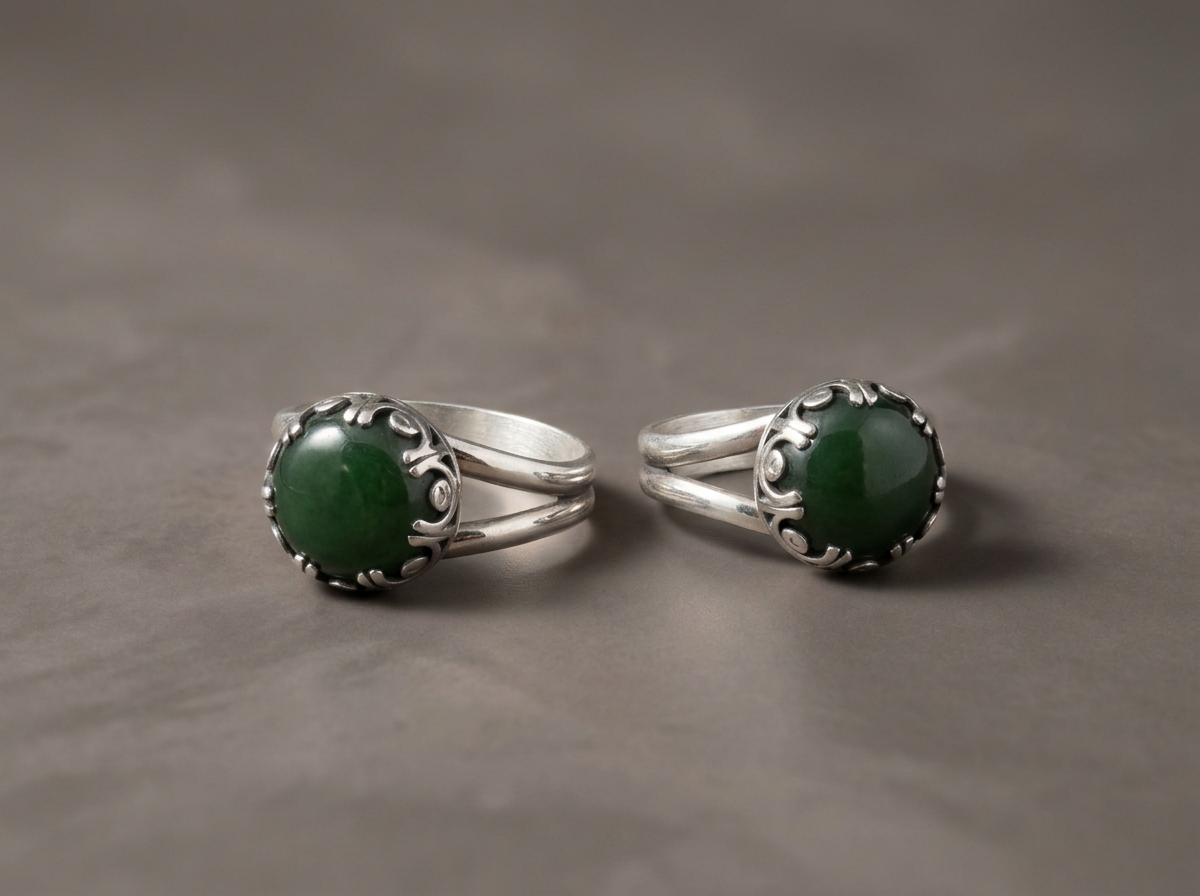
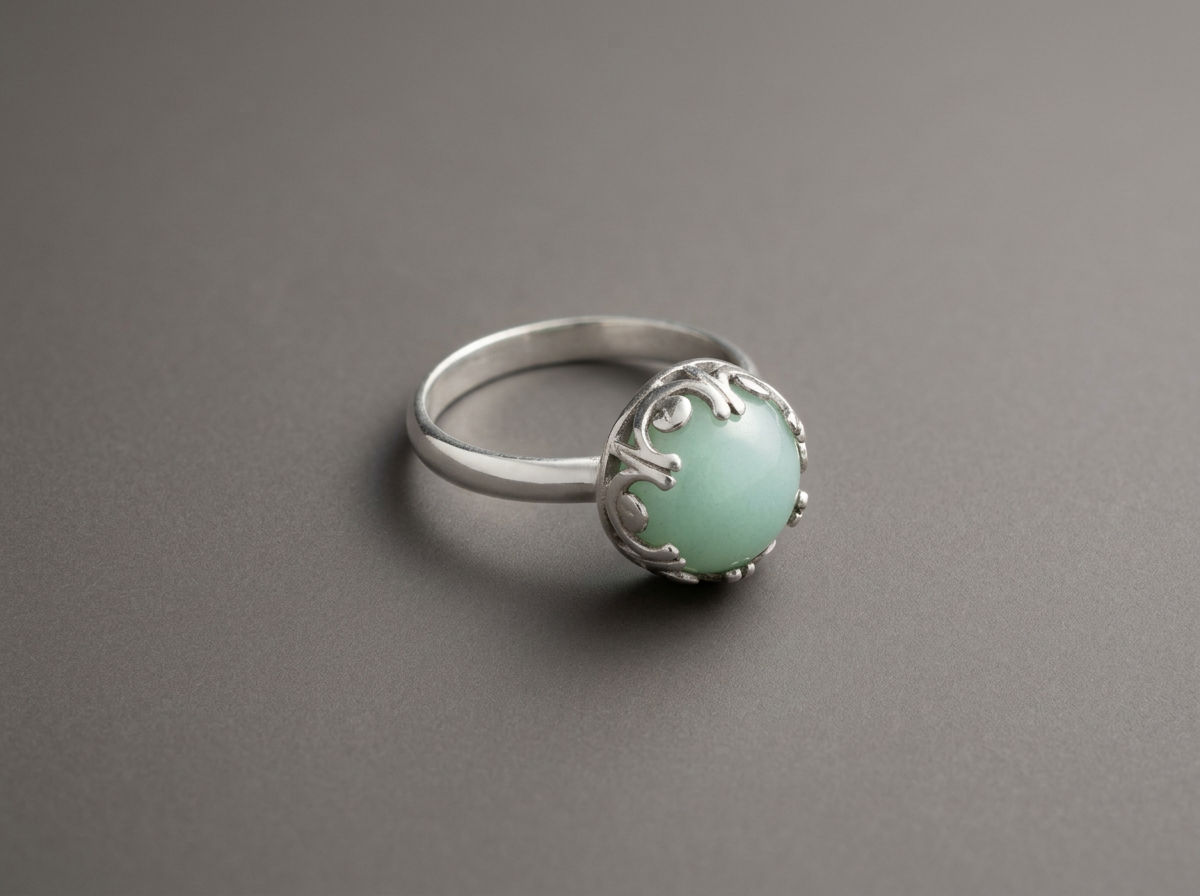
Three pieces in the shop are set with jade — a split-band ring, a statement ring and shield studs — hand-forged in Oxidized sterling silver and made to order in Nashville. Below: the two different minerals that share the name, how to tell what you actually have, and everything I set it in.
What jade actually is, and it's two things
Jade is not one mineral. It is a name shared by two: nephrite and jadeite. They look alike, they were used interchangeably for thousands of years, and nobody separated them until 1863.
Nephrite is a tangled mass of interlocking Fibers, which makes it extraordinarily tough — not hard, tough. It resists breaking better than almost any natural stone, which is why Neolithic cultures were making axes out of it long before anyone made jewelry from it.
Jadeite is rarer, denser and takes a higher polish. The intense green "imperial jade" that fetches enormous prices is jadeite. Most of the jade worked in China for millennia was nephrite; jadeite only arrived from Burma in the eighteenth century.
How to tell what you're actually buying
This is the stone with more substitution than anything else I set, so the latter is worth knowing.
At the top: untreated nephrite or jadeite, sold as such. Below that, jadeite that has been bleached and polymer-impregnated to improve its Color — common, and perfectly legitimate when it is disclosed.
Then the impostors. A great deal of cheap "jade" is serpentine, sometimes sold as new jade or Korean jade. Below that sit dyed quartz, dyed marble and plain glass. If a jade pendant is very green, very even and very cheap, that is the neighbourhood you are in.
Ask any seller which mineral they are actually selling. A straight answer is a good sign in itself.
Set in jade
Three pieces, each one forged to order.
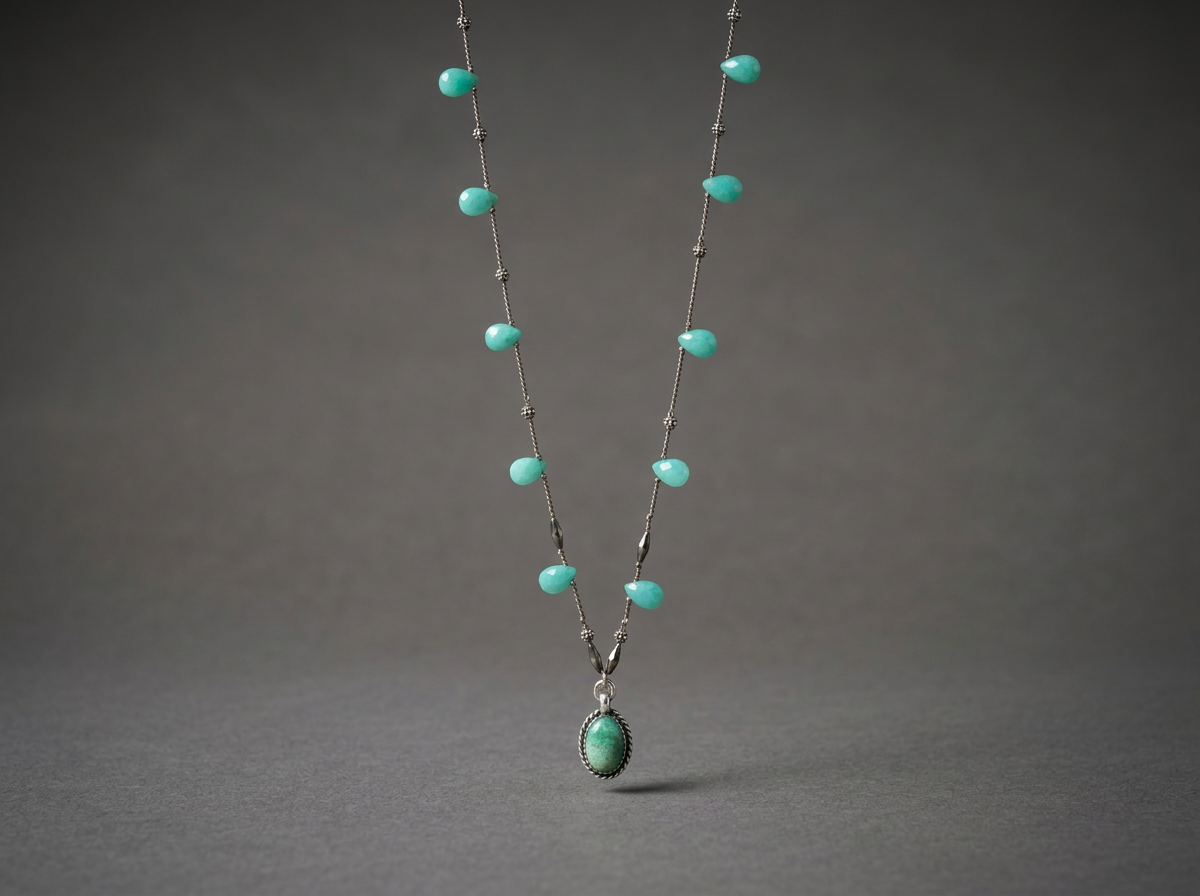
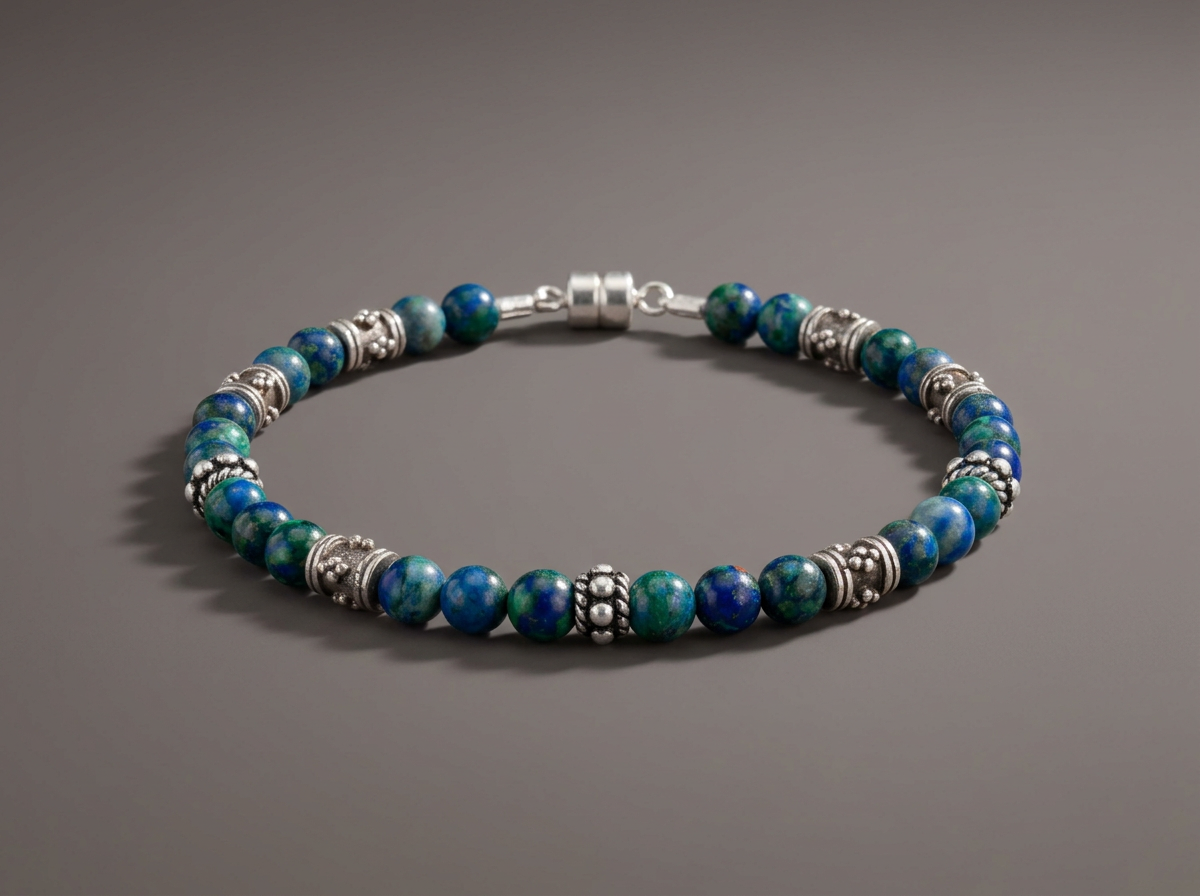
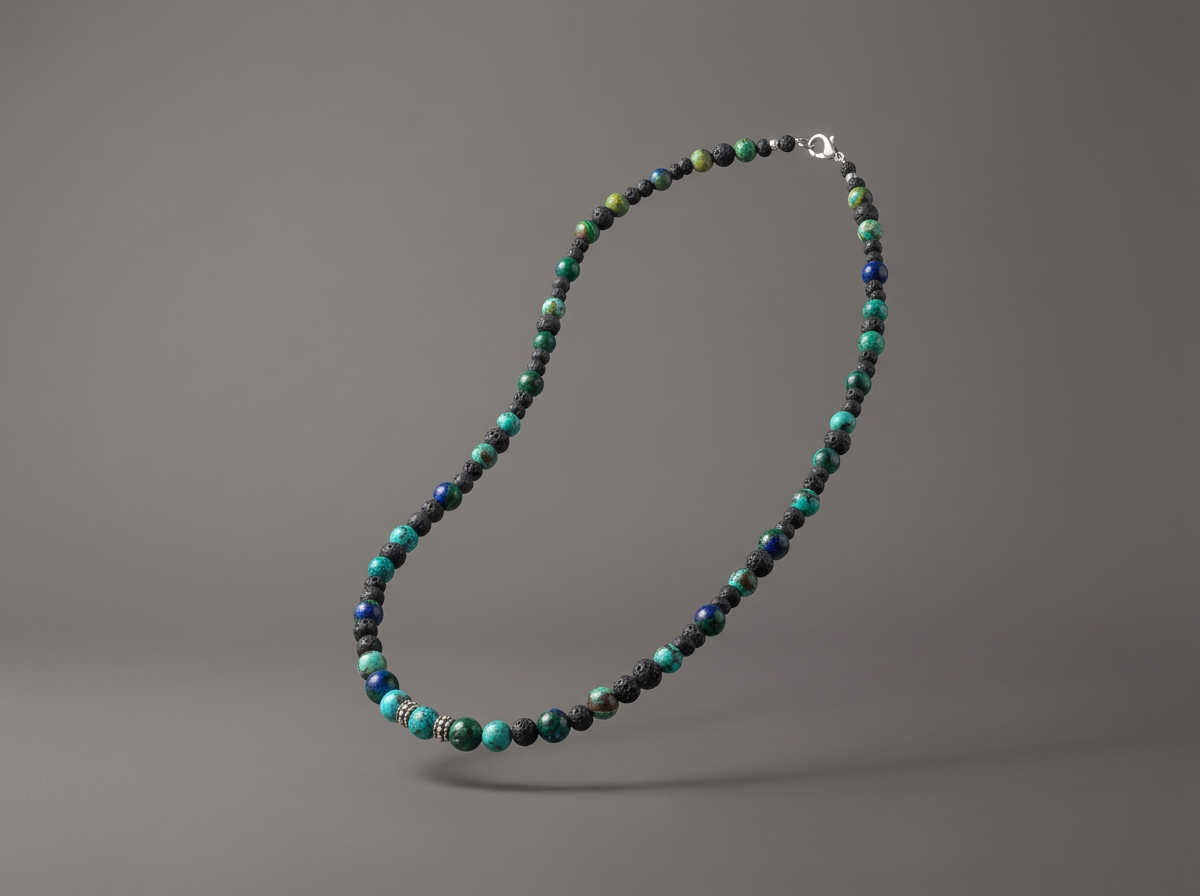
If you want the calm in another colour
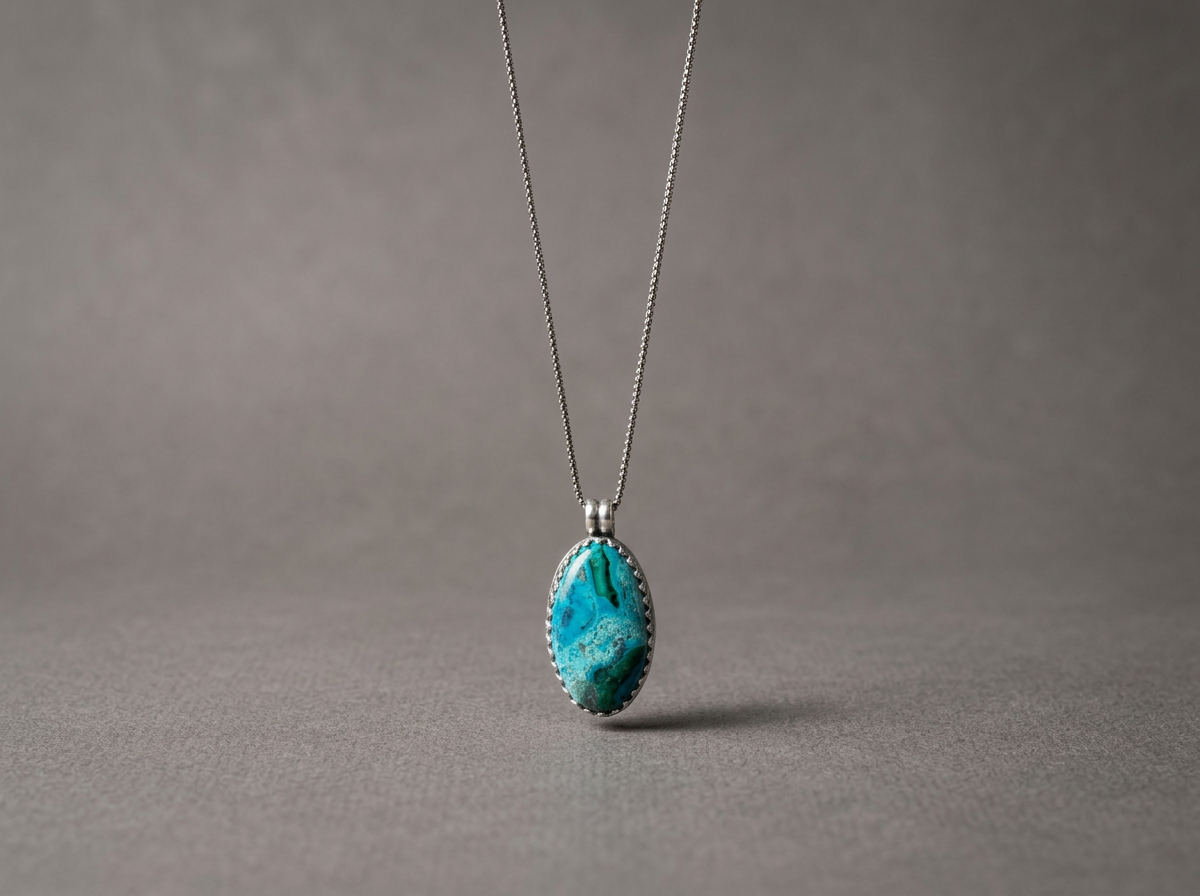
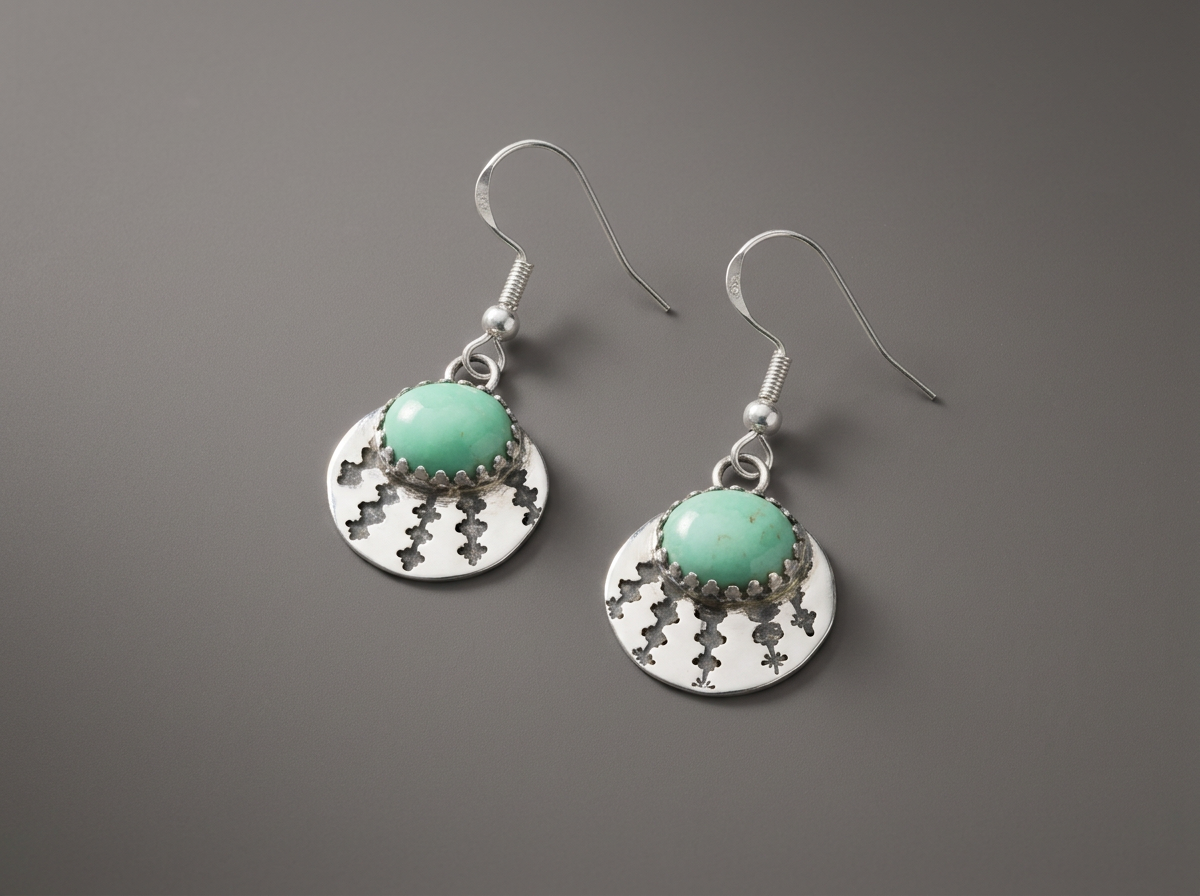
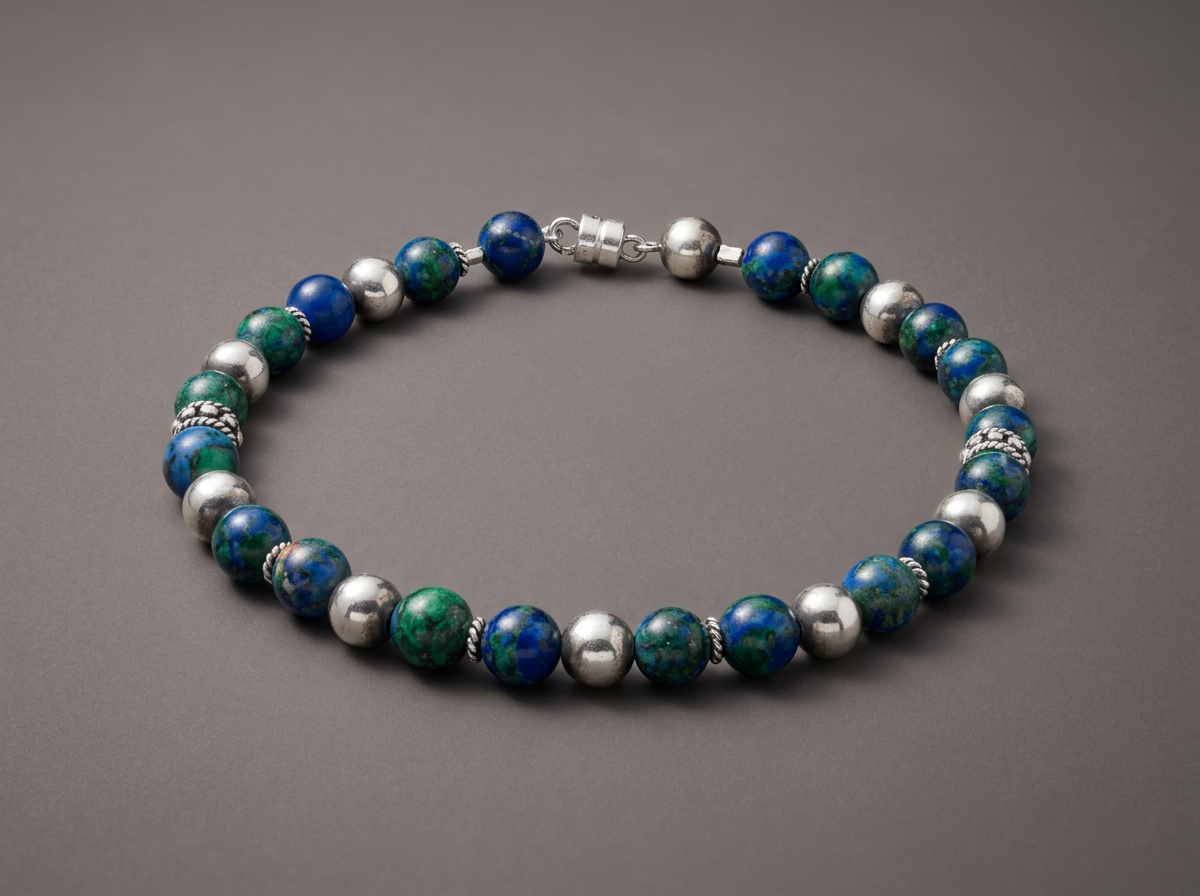
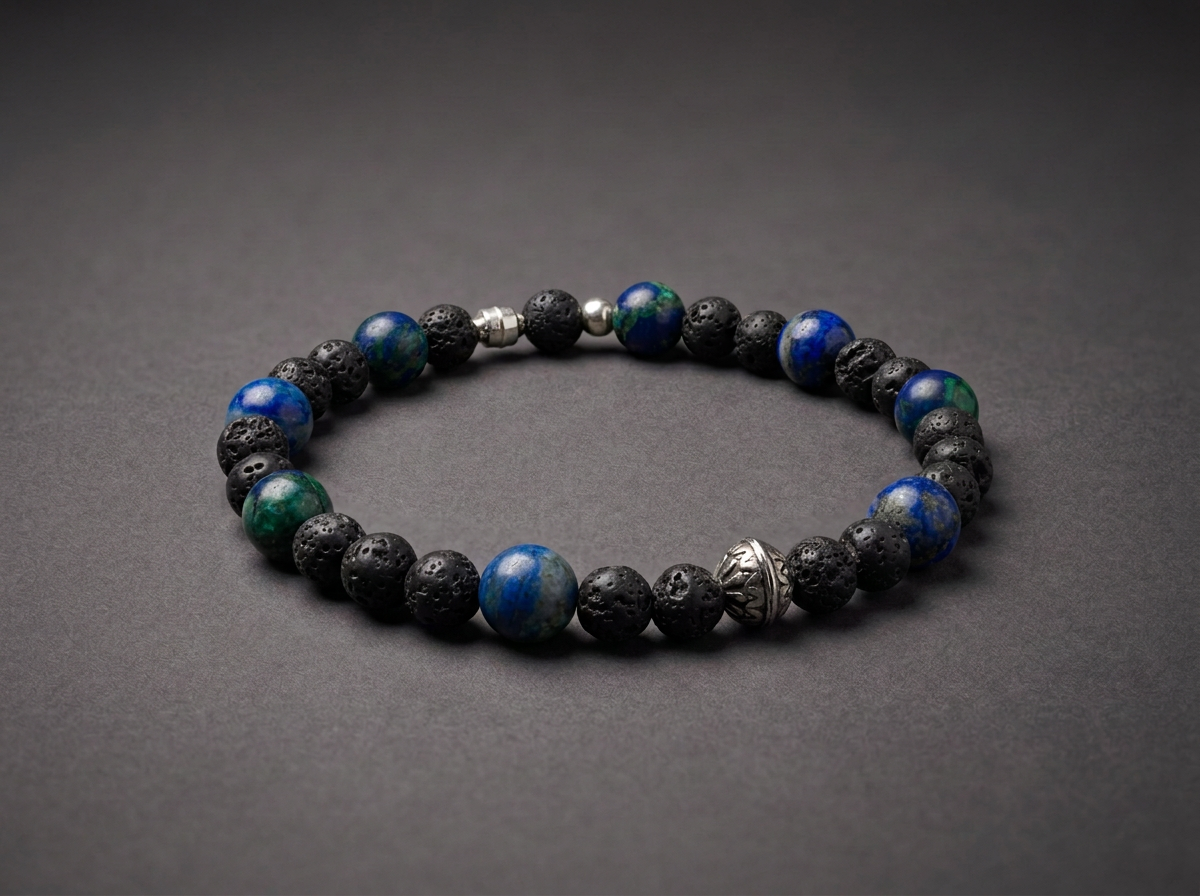
Jade is the quietest stone I work with. Chrysoprase is its brighter cousin; chrysocolla takes the same softness toward blue. Same silver, same hands.
How I set it, and what toughness actually buys you
Jade sits around 6 to 7 on the Mohs scale depending which mineral it is, but hardness is not the interesting number here. Toughness is — resistance to chipping and fracture — and on that measure nephrite outperforms very nearly everything.
In practice that means jade tolerates being set closer to the edge than a brittle stone would, and it survives the kind of knock that would chip lapis outright. I still bezel it, because a bezel is the right answer for a cabochon, but I worry about it a great deal less.
It takes a soft, slightly waxy polish rather than a glassy one. That is the stone's character, not an unfinished surface.
Looking after it
Warm water, mild soap, a soft cloth.
No ultrasonic cleaner and no steam. If a stone has been polymer-treated both can damage it, and you do not always know. No ammonia, no bleach, no supermarket silver dips.
Off before the gym and the pool. Store it away from harder stones.
The silver is meant to darken. If it ever goes further than you want, bring it back — polishing and re-oxidising is free, forever, for anything I've made.
Questions I get about jade
Is your jade nephrite or jadeite?
Ask me about the specific piece and I'll tell you what I know about that stone. Most of what I buy is Nephrite Jade. It is a fair question and you should be asking it of anyone selling jade.
Why isn't it bright emerald green?
Because bright even green is usually either top-grade jadeite at a price to match, or something dyed. Real jade of ordinary grade is mottled, softer in Color and considerably more interesting to look at.
Is jade fragile?
The opposite. Nephrite is one of the toughest natural materials there is. It will scratch long before it breaks.
Can you make something specific in jade?
Yes — commissions start with a conversation, so just submit a commission request And if you’re buying for someone else and aren’t sure of their size, a gift card lets them tell me.
A masterclass in balance and symmetry.
The Equilibrium features a deep, forest-green Jade cabochon perfectly centered within a hand-forged diamond frame. Built on a signature double-split band, the architectural lines of the sterling silver mirror the grounding energy of the stone. This ring is a structural tribute to finding your center amidst the motion of the journey.
At the heart of the piece is a polished Jade stone, framed by sharp geometric points that symbolize clarity and intent.