
Chrysocolla: copper's other blue
Six pieces in the shop carry chrysocolla — a pendant necklace, a bali bracelet, a lava-stone necklace, a sterling talisman bracelet, a lava wrap and the Dol Hareubang bracelet — strung and forged in Nashville, made to order. Below: what chrysocolla is, why you almost never see it in a ring, and everything I set it in.
What chrysocolla actually is
Chrysocolla is a hydrated copper silicate — the same copper that turns roofs green, held in a mineral instead. That is where the blue-green comes from, and why chrysocolla so often turns up alongside malachite and azurite in copper country.
The color runs from a soft sea-blue to a deep verdigris green, usually mottled, often with dark host rock running through it. It is regularly mistaken for turquoise, and the two genuinely do come out of the same deposits.
Pure chrysocolla is soft — considerably softer than anything I would put in a ring — and that single fact governs everything else about how it can be used.
Why you almost never see chrysocolla in a ring
On its own, chrysocolla is too soft to survive being worn on a hand. It would scratch, dent and lose its polish within months.
So the durable material sold as chrysocolla usually is not pure chrysocolla at all. It is chalcedony or quartz that grew with chrysocolla inside it, taking the copper Color but keeping the quartz hardness. At the top end that is gem silica — chrysocolla chalcedony — which sits at 7 on the Mohs scale, is tough enough for anything, and is priced accordingly.
Between those extremes sits a lot of Stabilized material: soft chrysocolla with resin drawn into it to make it wearable, the same treatment used on turquoise and for the same reason.
Which is why you will find chrysocolla in my beads and bracelets rather than in a statement ring. A bead does not take the punishment a ring does, and I would rather use a stone where it works than force it somewhere it doesn't.
Set in chrysocolla
Six pieces, each one made to order.
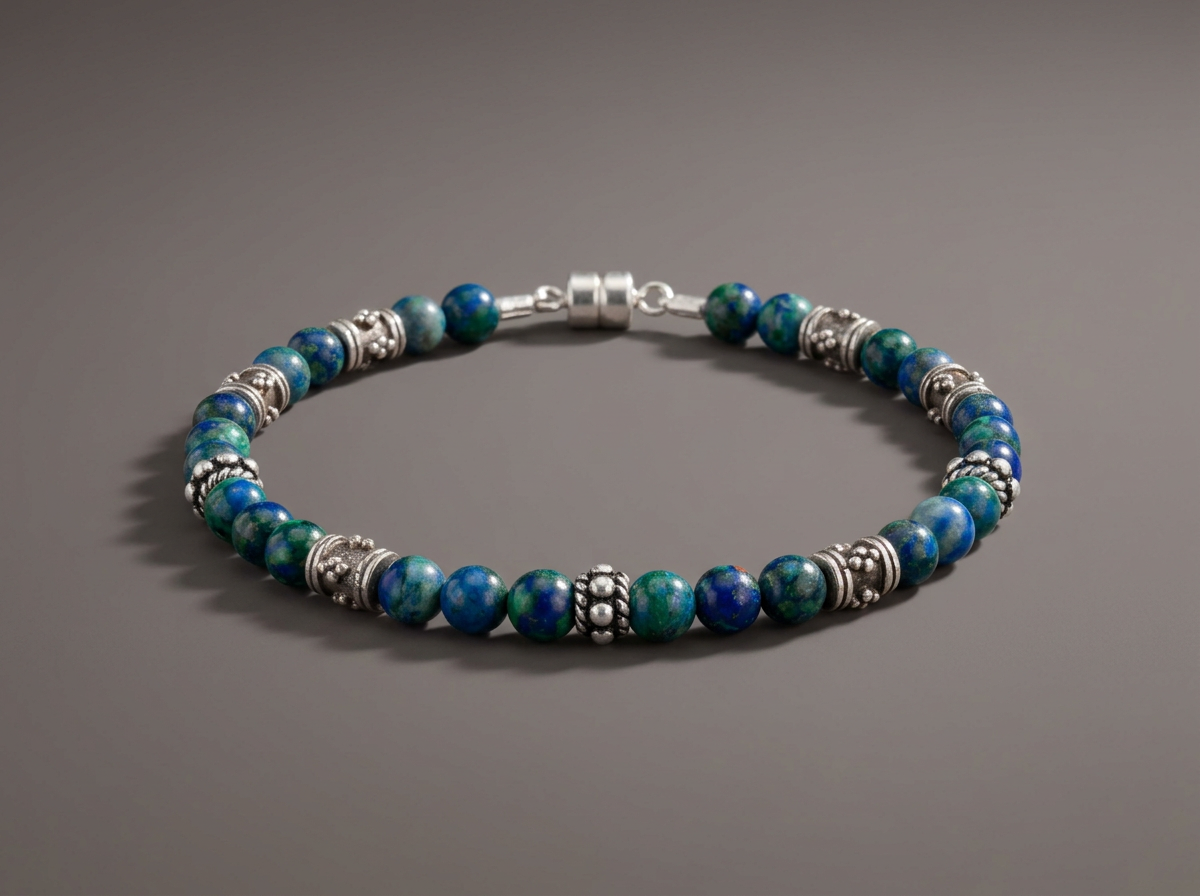
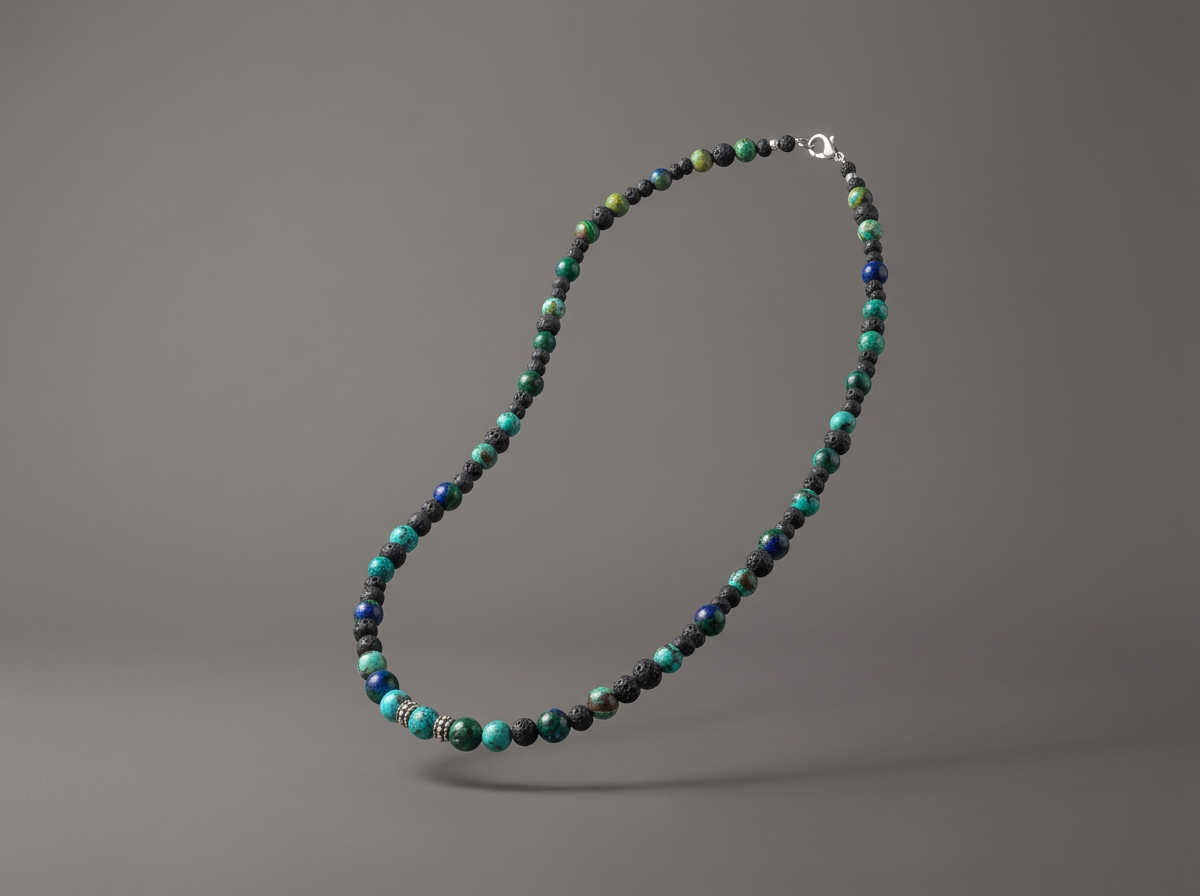
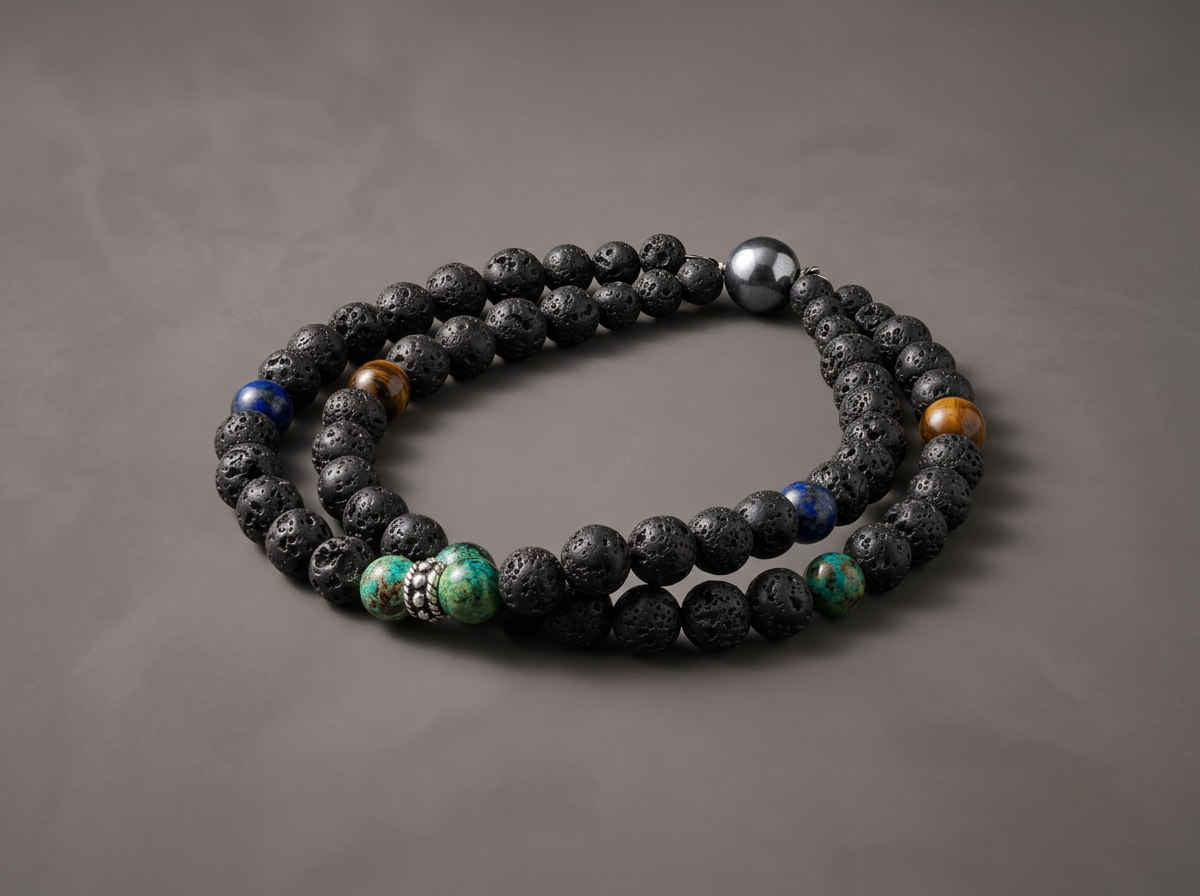
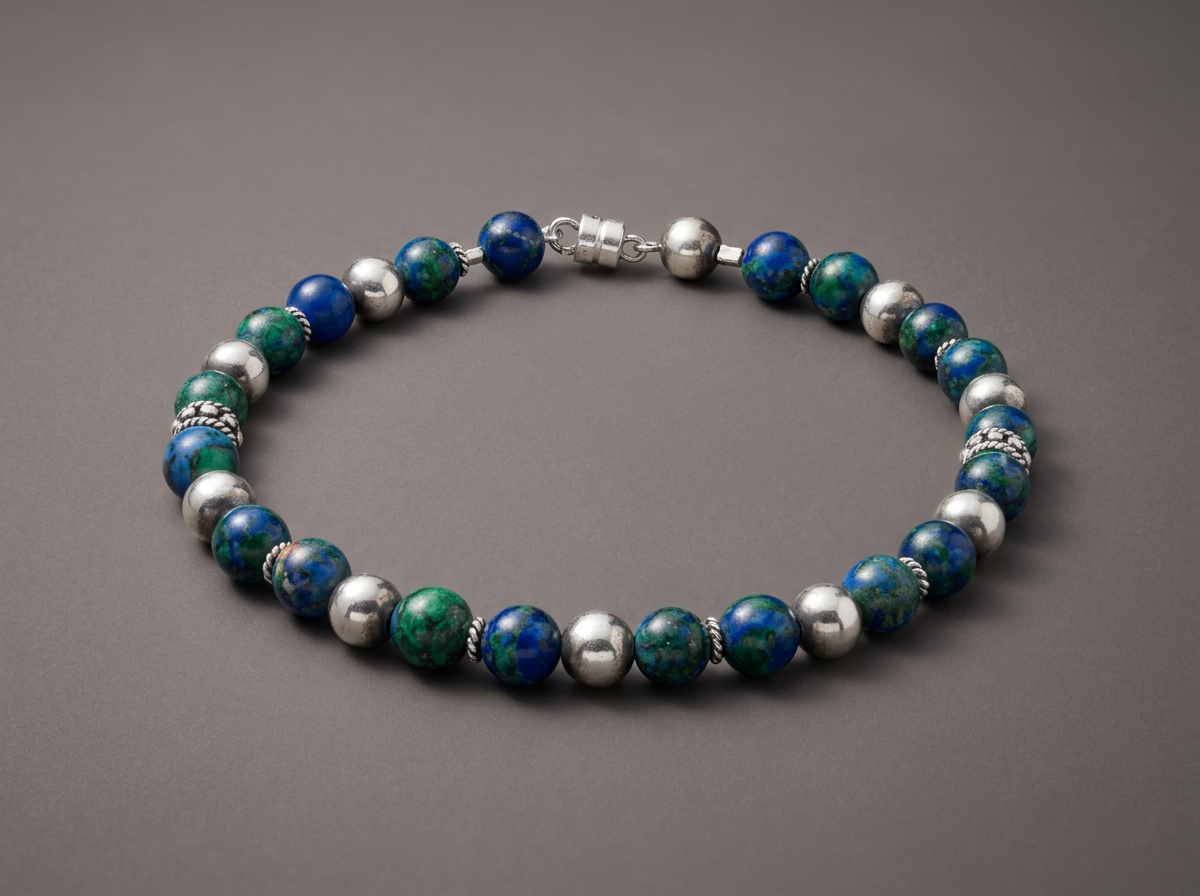
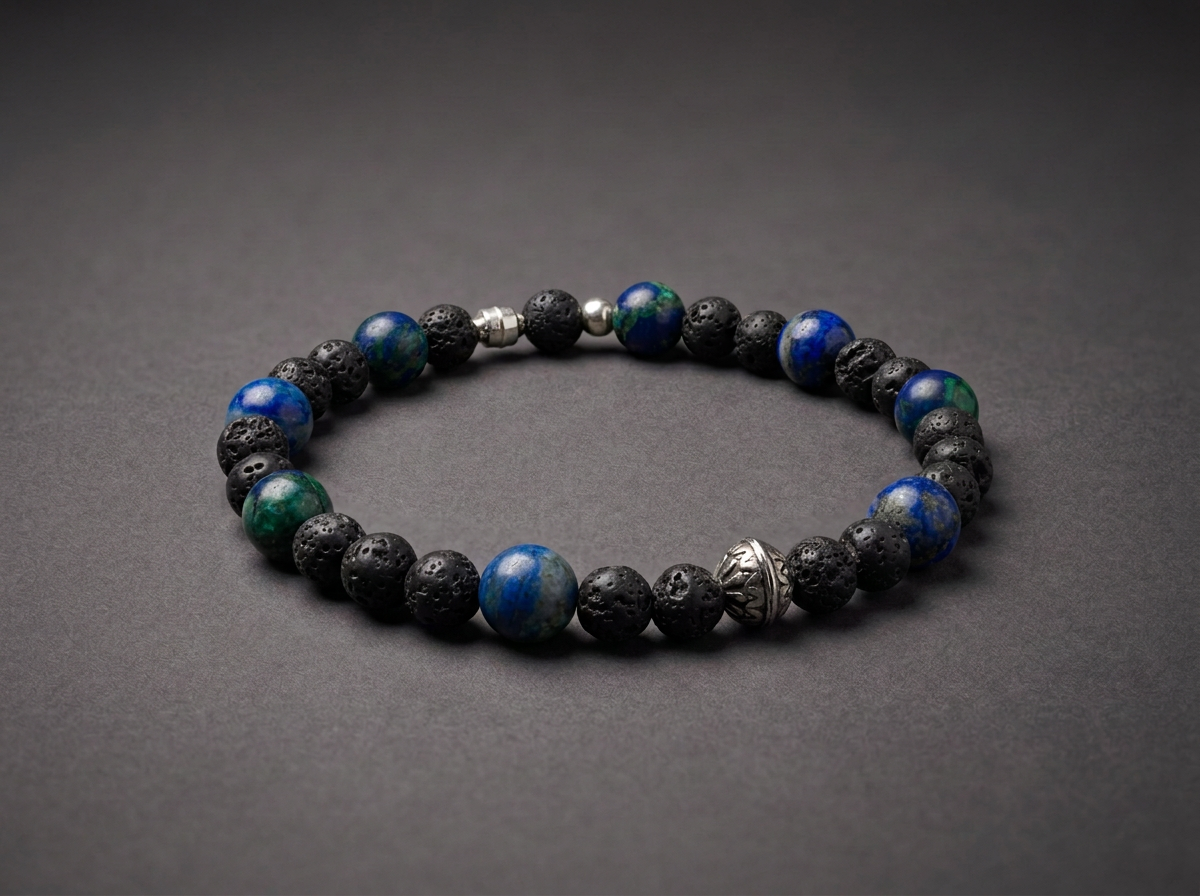
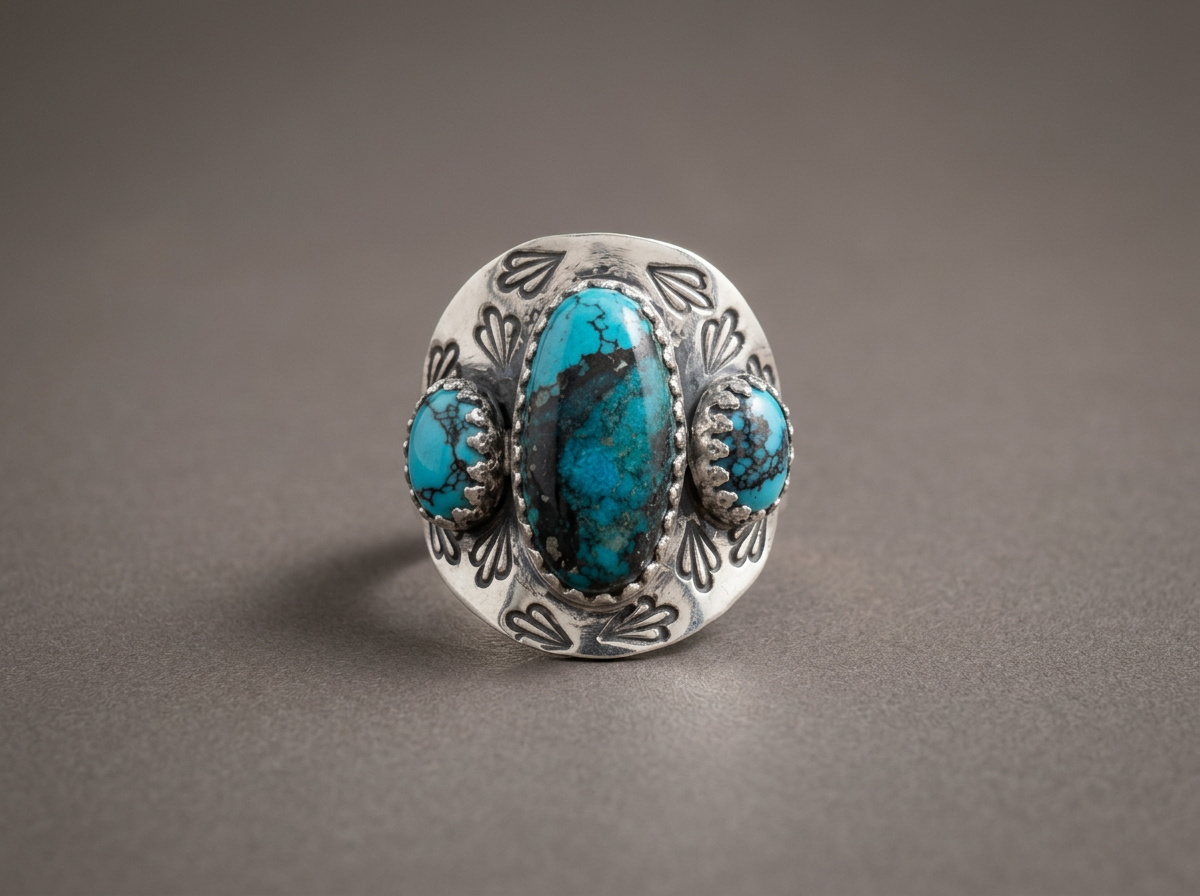
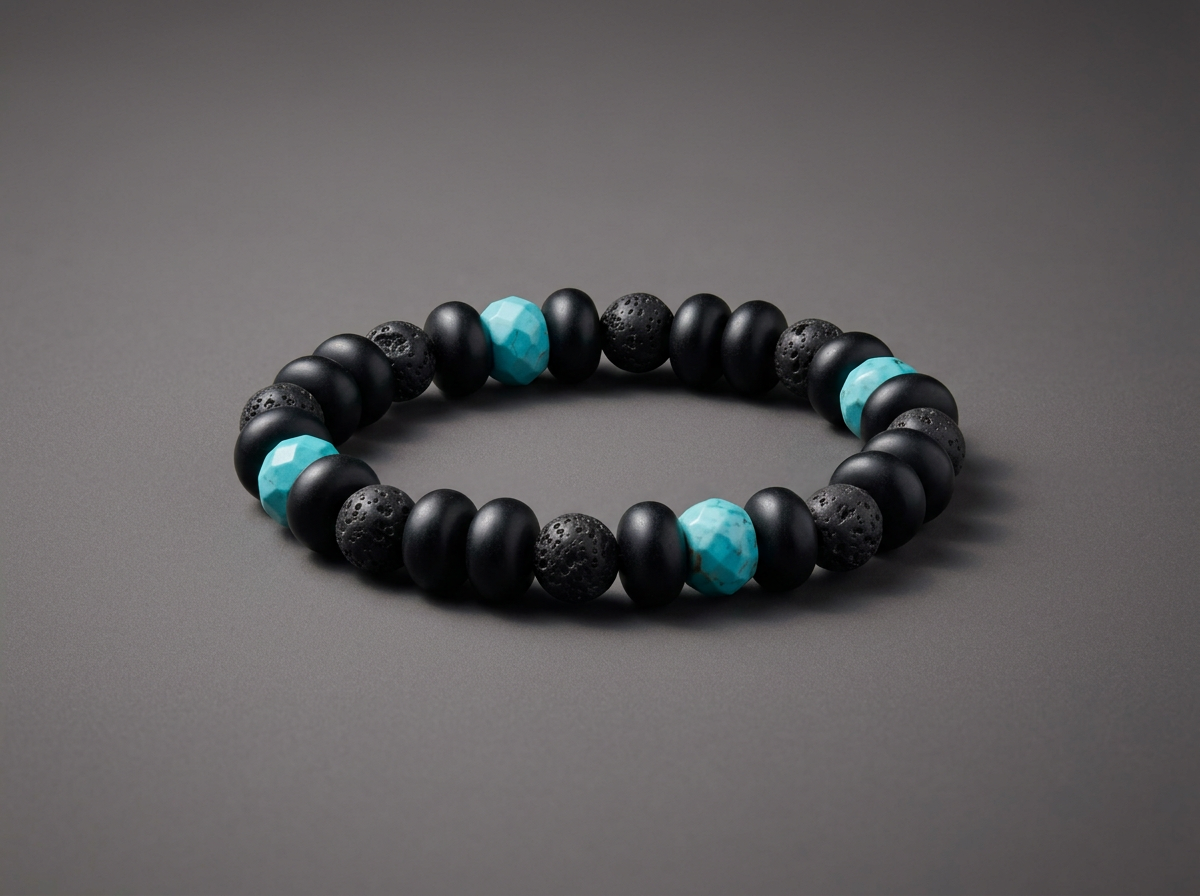
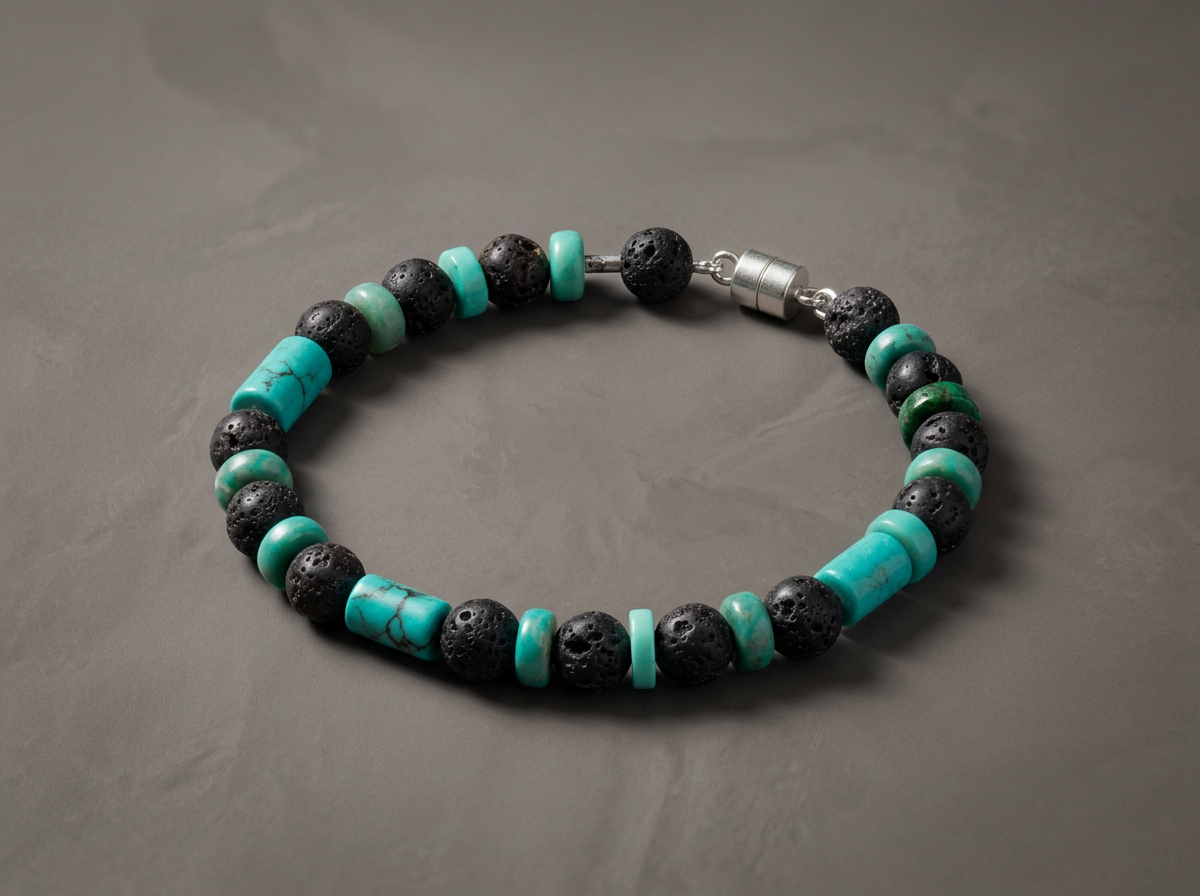
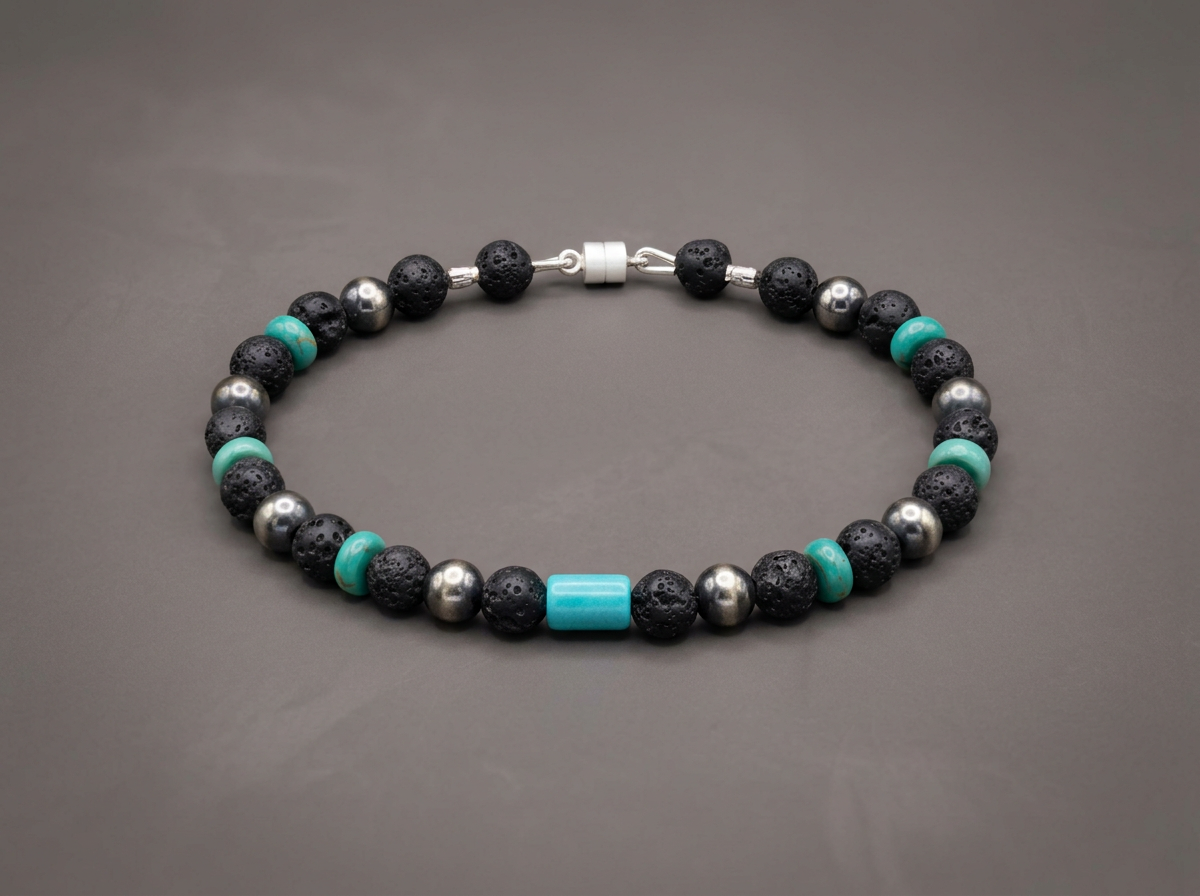
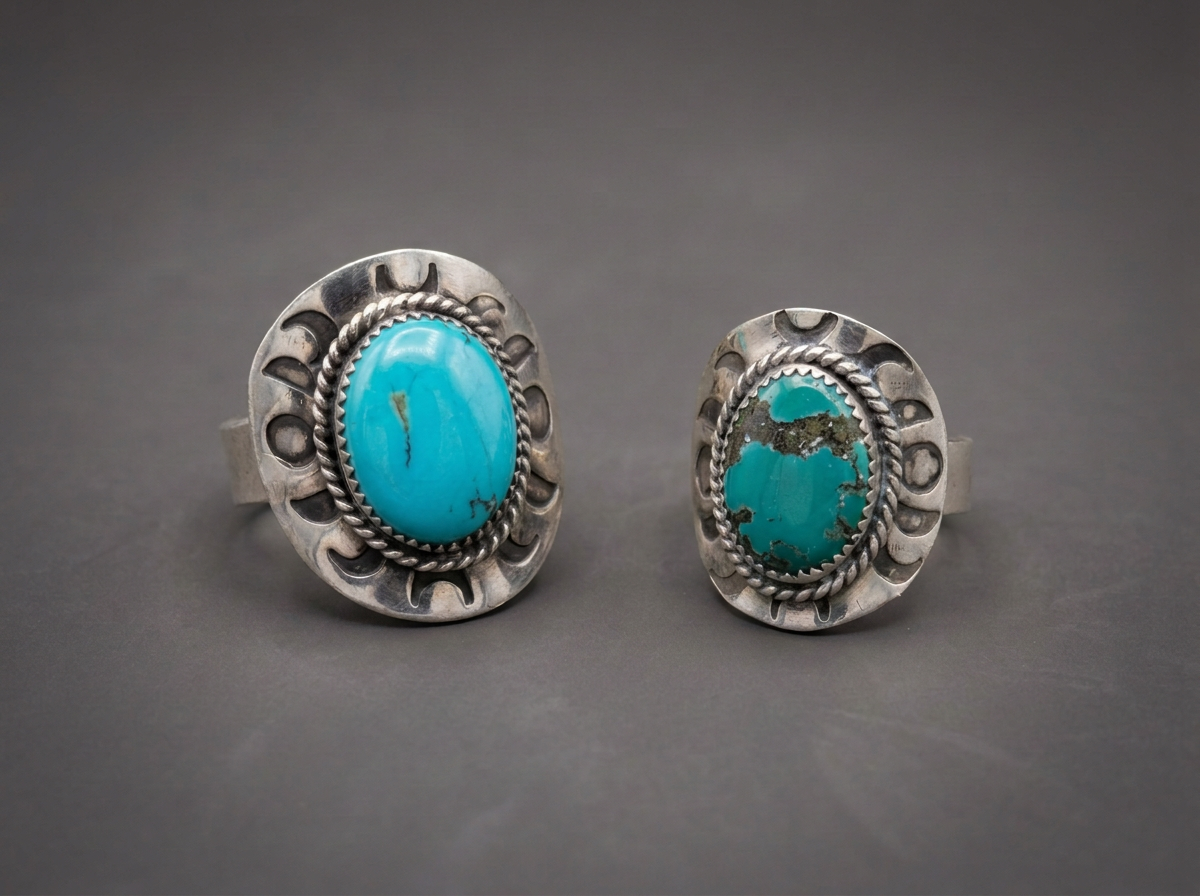
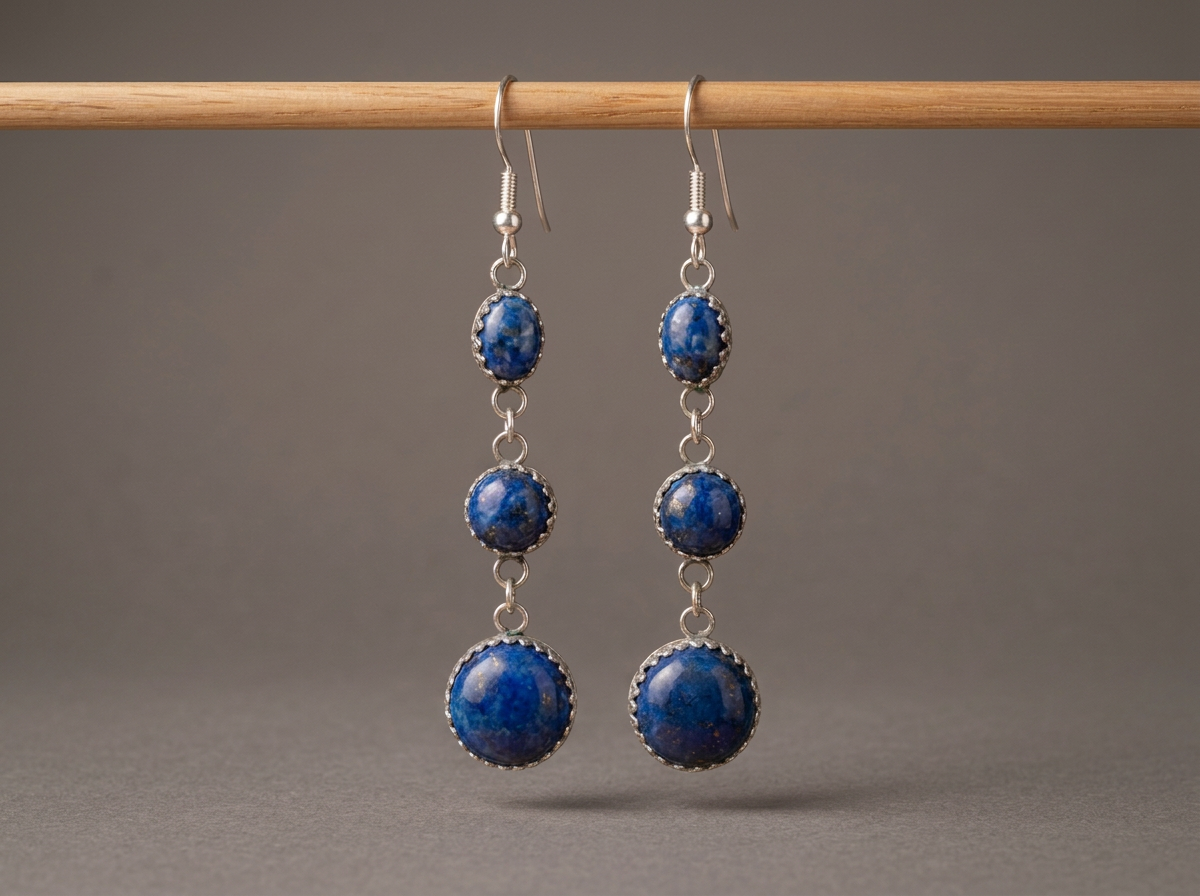
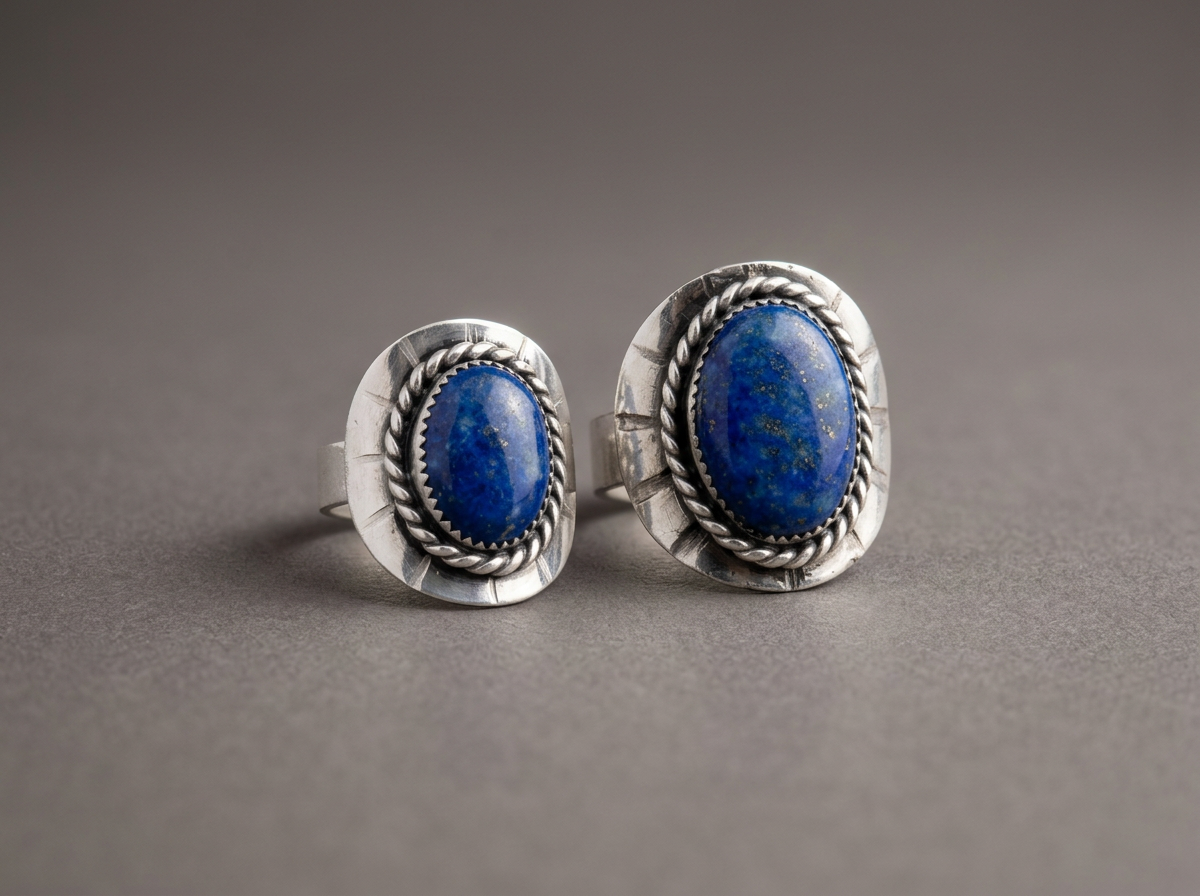
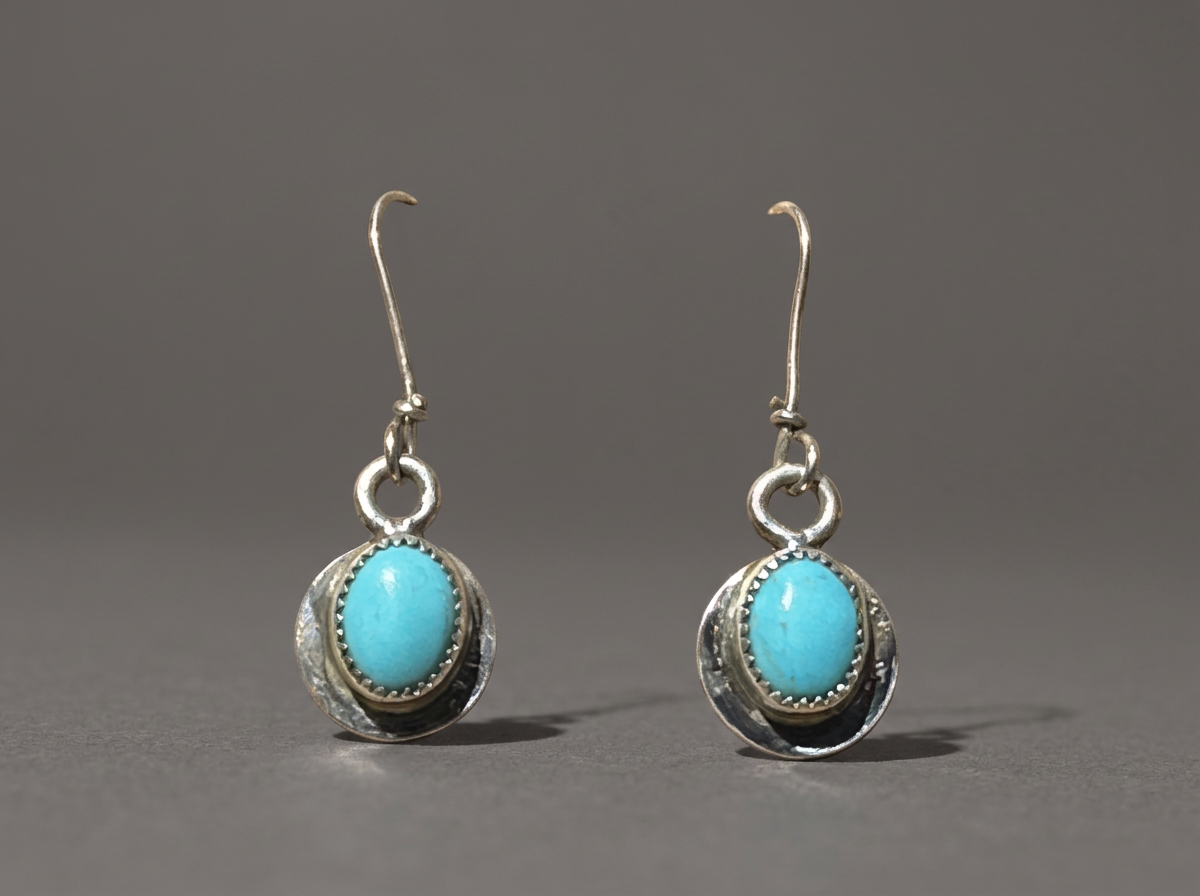
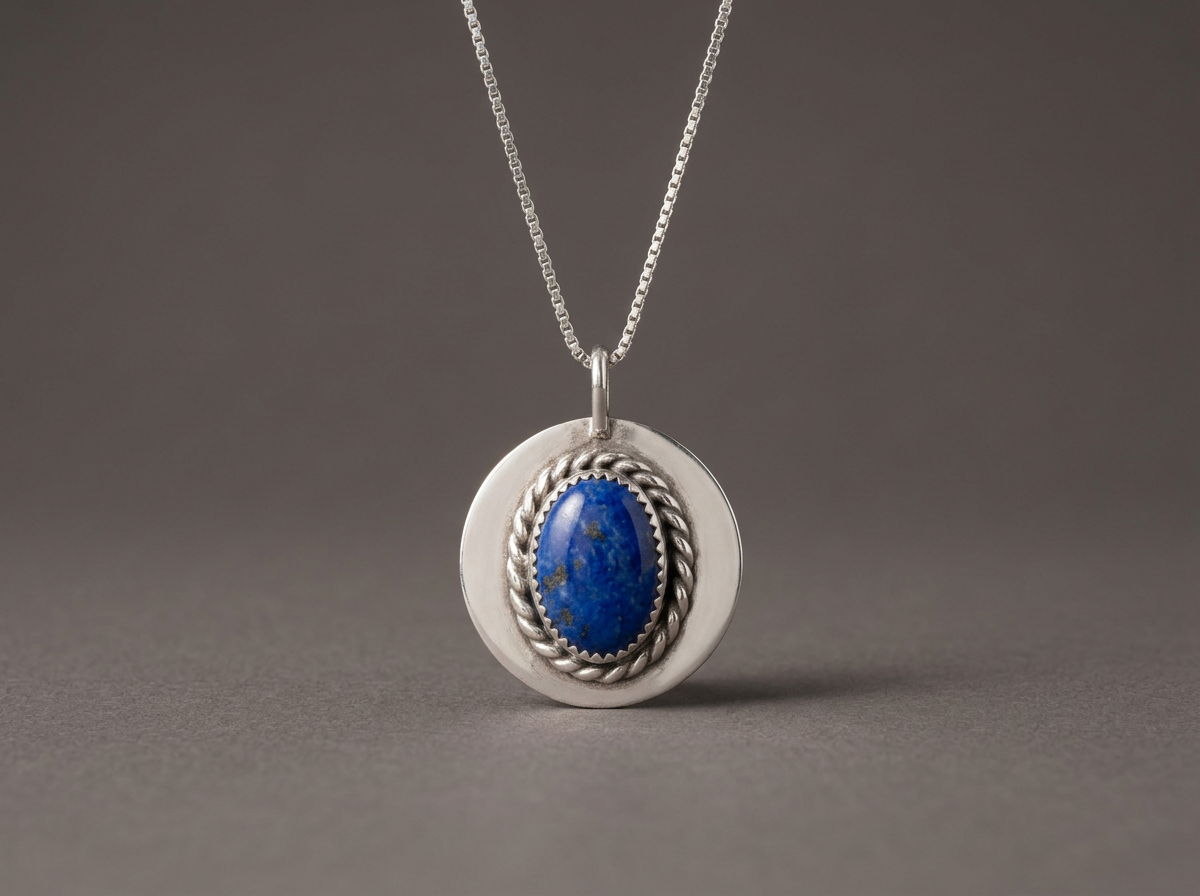
How I work with it, and why it's strung rather than set
Everything about chrysocolla comes back to hardness. Where I use it, I use it as beads, and that is a deliberate choice rather than a limitation.
Beads are strung, not bezelled. They sit against skin and fabric rather than being dragged across desks and door handles, and they can be restrung if a piece ever needs it. It is the setting that suits the stone.
I pair it with lava rock in several pieces because the two have opposite surfaces — one porous and matte, one waxy and smooth — and the contrast makes both look more like themselves.
Looking after it
This is the most delicate material in the shop, so it gets the most care. Wipe it with a dry or barely damp soft cloth. Do not soak it.
No ultrasonic cleaner, no steam, no ammonia, no bleach, no silver dip. If the material has been Stabilized — and much chrysocolla is — solvents can attack the resin as well as the stone.
Perfume, hairspray, sunscreen and hand cream go on before the jewelry, not after. Off before the gym, the pool and the shower.
Store it flat and on its own.
Questions I get about chrysocolla
Is this turquoise?
No, though the confusion is old and understandable — both take their Color from copper and they are found in the same places. Chrysocolla usually runs greener and more mottled.
Why isn't there a chrysocolla ring?
Because pure chrysocolla is too soft to survive on a hand. If I find good gem silica — chrysocolla inside chalcedony, hard enough for a ring — I'll cut one.
Is it Stabilized?
Much of the wearable chrysocolla on the market is. Ask me about a specific piece and I'll tell you what I know about that material.
Can you make something specific in Chrysocolla?
Yes, within what the stone allows — beads, strands, pendants. commissions start with a conversation, so just submit a commission request And if you’re buying for someone else and aren’t sure of their size, a gift card lets Them tell me.
Before you can say the true thing, you have to hear it.
A single oval Chrysocolla cabochon — blue-green and water-marked, no two inches the same — sits in a scalloped sterling silver bezel, its gallery edge cut like a row of small open ears around the stone. A double jump-ring bail lets it move, hung from a fine oxidized box chain. Chrysocolla's reputation in this shop runs toward speaking plainly. This piece is built for the quieter half of that — the listening that has to happen first.