
Amethyst: the purple that used to cost more than rubies
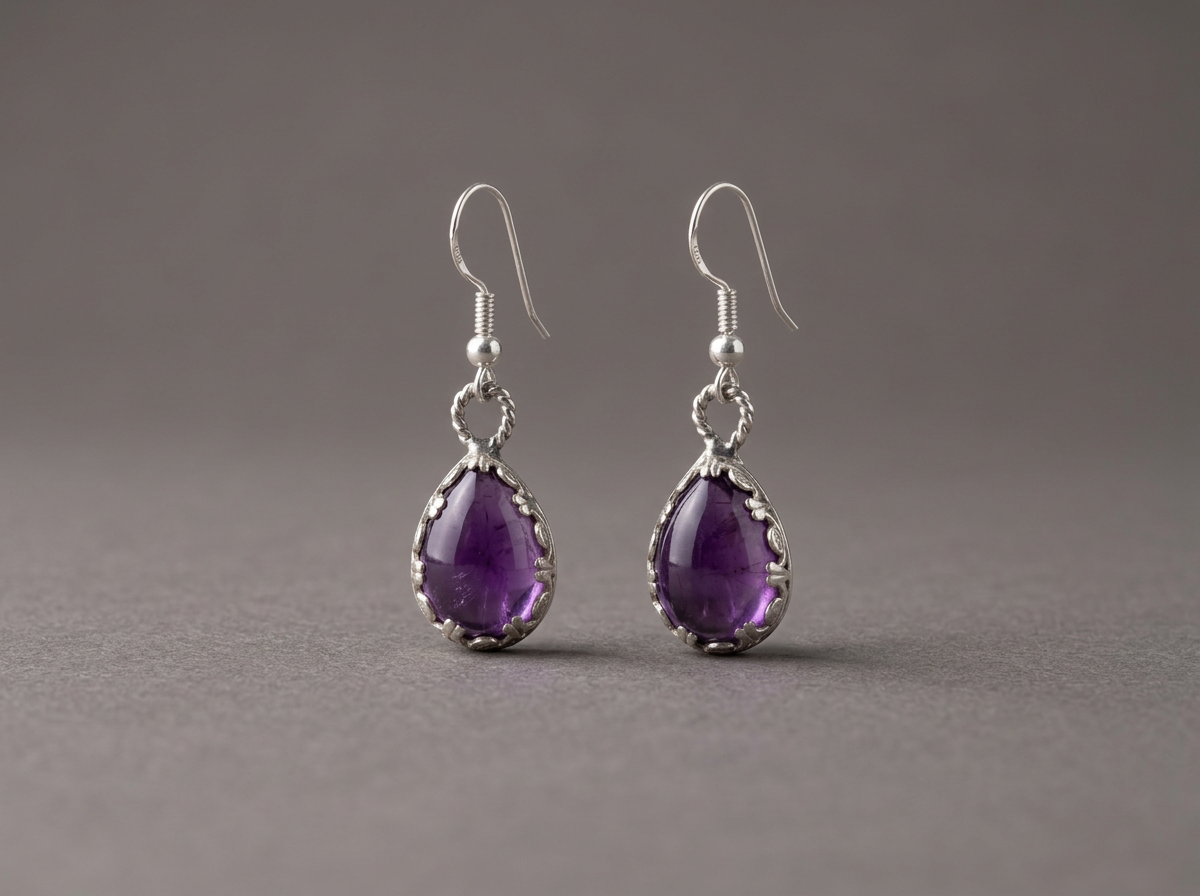
One piece in the shop is set with amethyst — The Sovereign Grace, sterling teardrop earrings, hand-forged and made to order in Nashville. Below: what makes amethyst purple, the one thing that will genuinely ruin it, and the piece I set it in.
What amethyst actually is
Amethyst is quartz. The same mineral as clear rock crystal, coloured purple by trace iron and natural irradiation over geological time. That combination is why the colour ranges from pale lilac to the deep reddish purple the trade calls Siberian.
It sits at 7 on the Mohs scale, hard enough for everyday wear without much thought.
For centuries it was one of the five cardinal gems, ranked alongside diamond, ruby, sapphire and emerald, and priced accordingly — until enormous deposits turned up in Brazil and Uruguay in the 1800s and the price collapsed. The stone did not change. Only the supply did.
The one thing that will genuinely ruin an amethyst
Heat, and prolonged intense light. That is it, and it is worth taking seriously because it is permanent.
Amethyst's color comes from an irradiation effect held in the crystal structure, and that effect can be undone. Sustained strong sunlight will slowly pale a stone; heat does it faster. This is not a myth — it is documented gemological guidance, and it is why you are told to keep amethyst out of prolonged intense light.
There is a commercial version of the same trick. Most citrine on the market is amethyst that has been heated until it turns yellow-orange. Same stone, different temperature.
So: don't leave amethyst on a sunny windowsill for a year and don't put it near heat. Worn normally and stored in a box, it will not change in your lifetime.
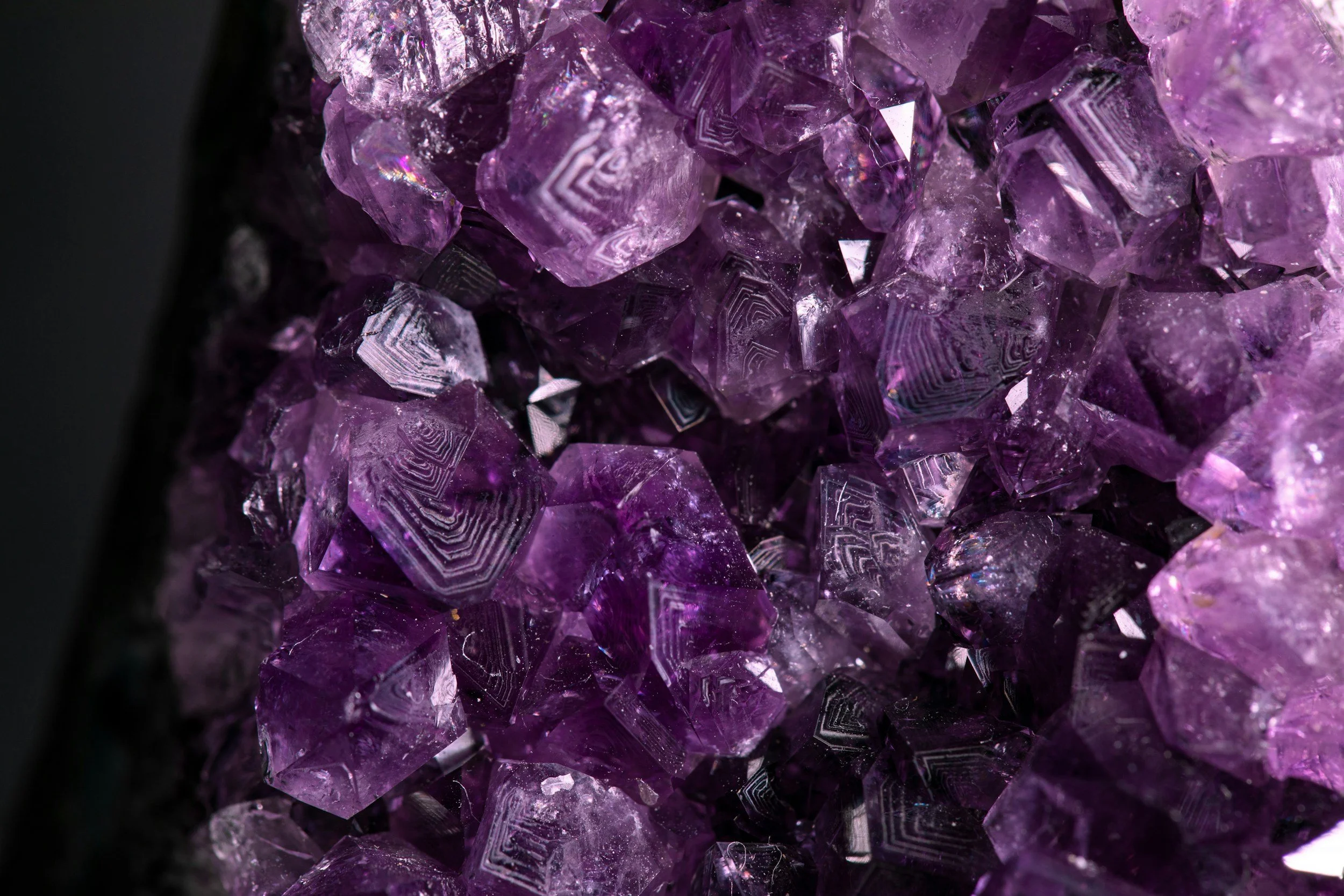
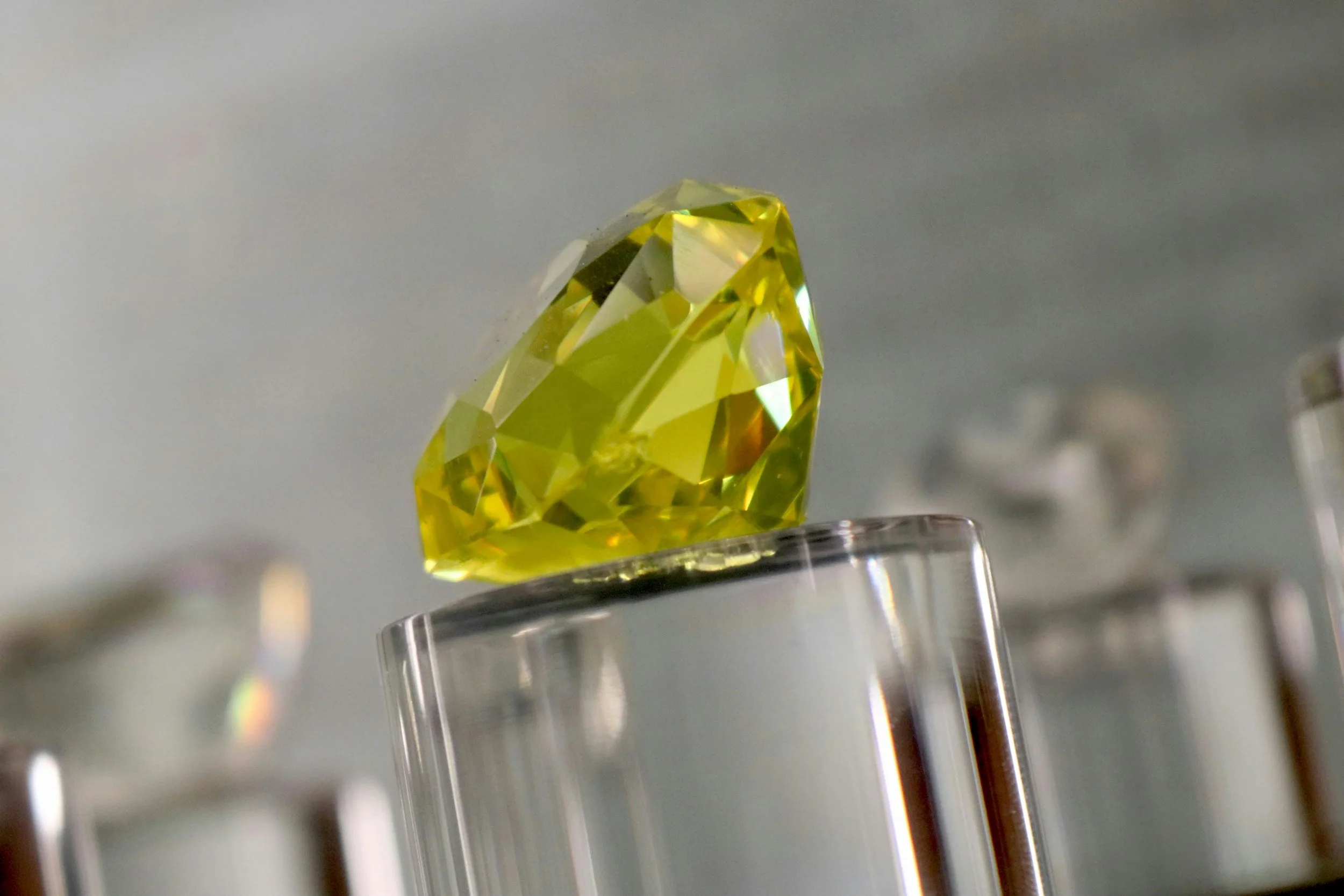
Set in amethyst
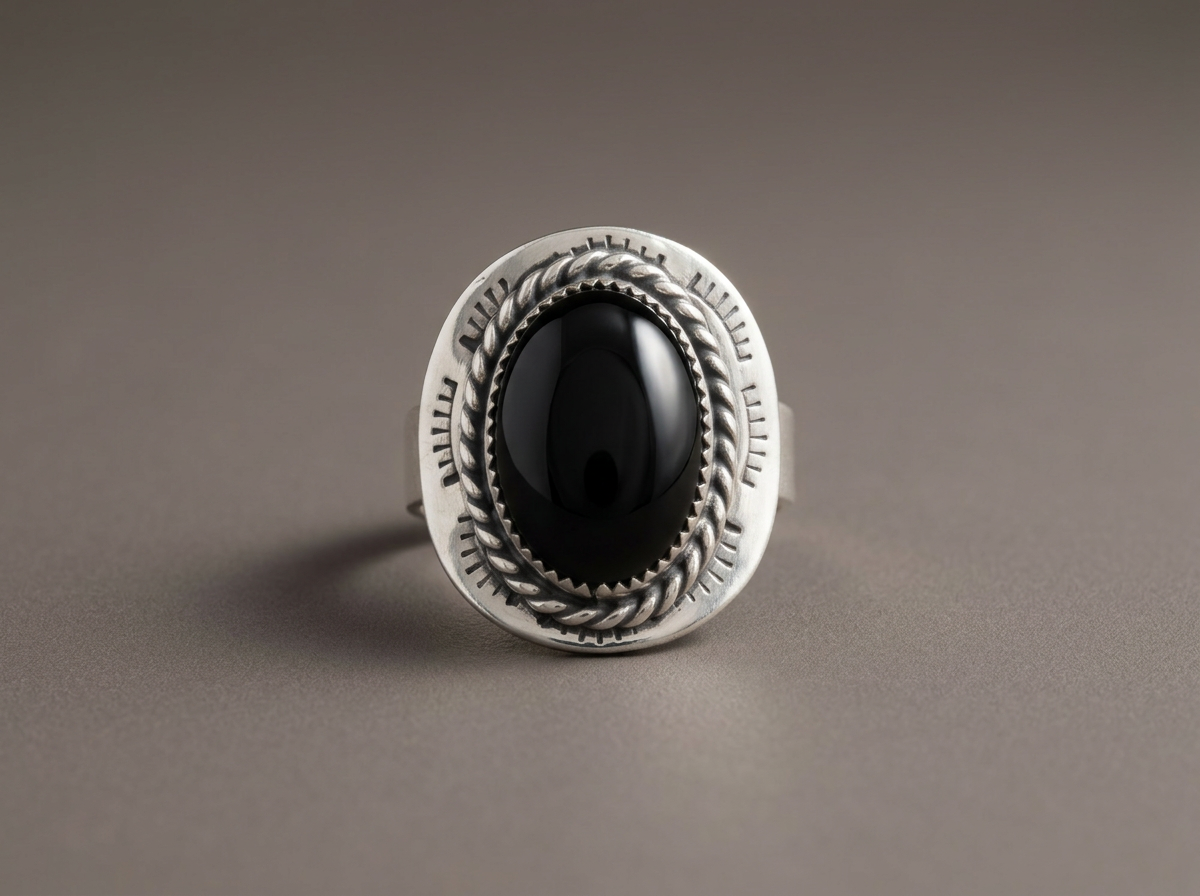
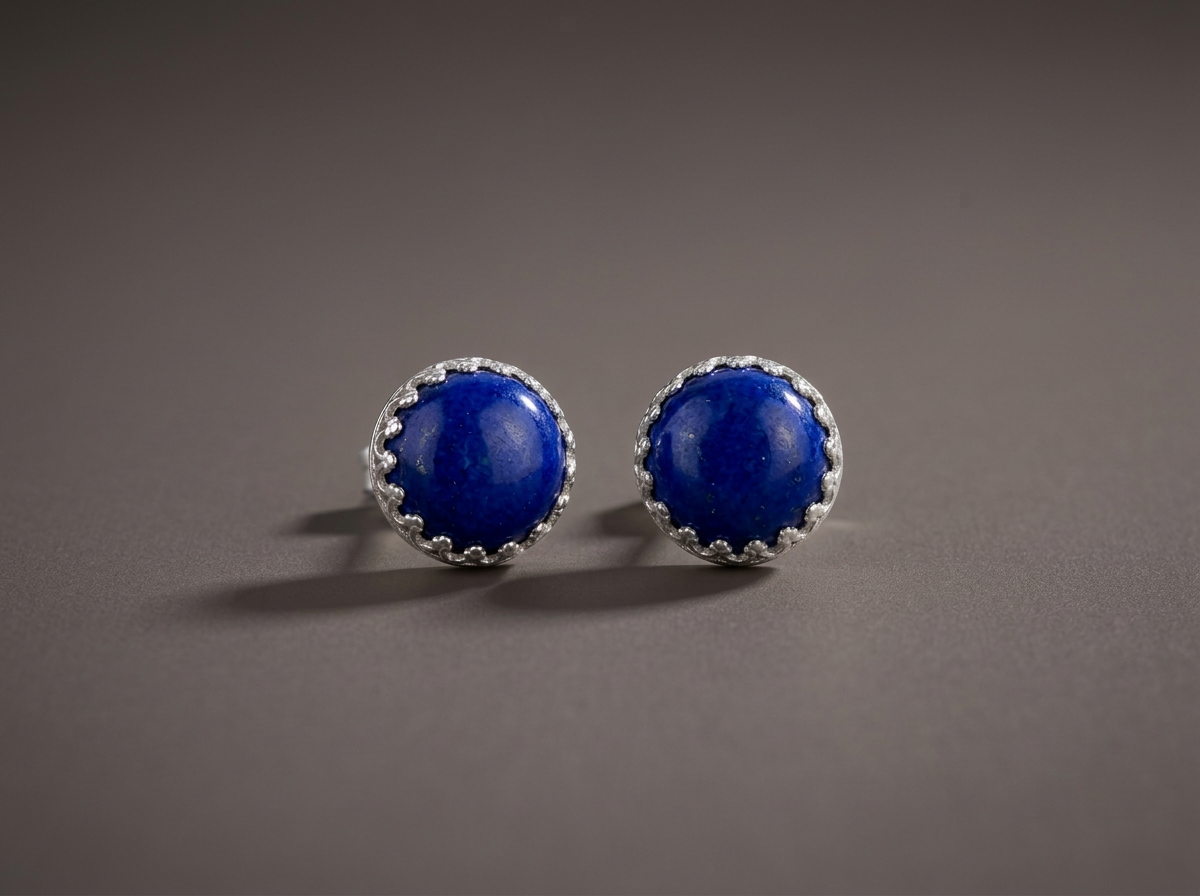
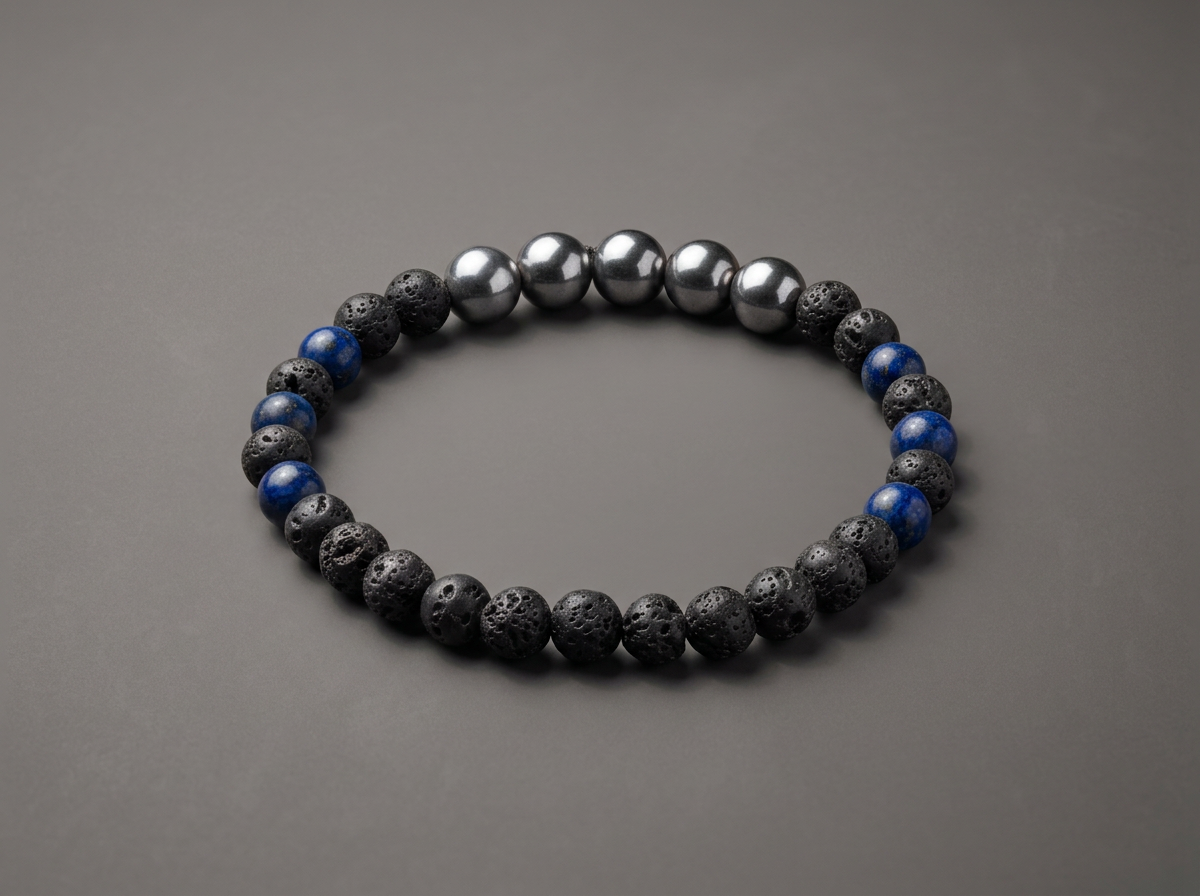
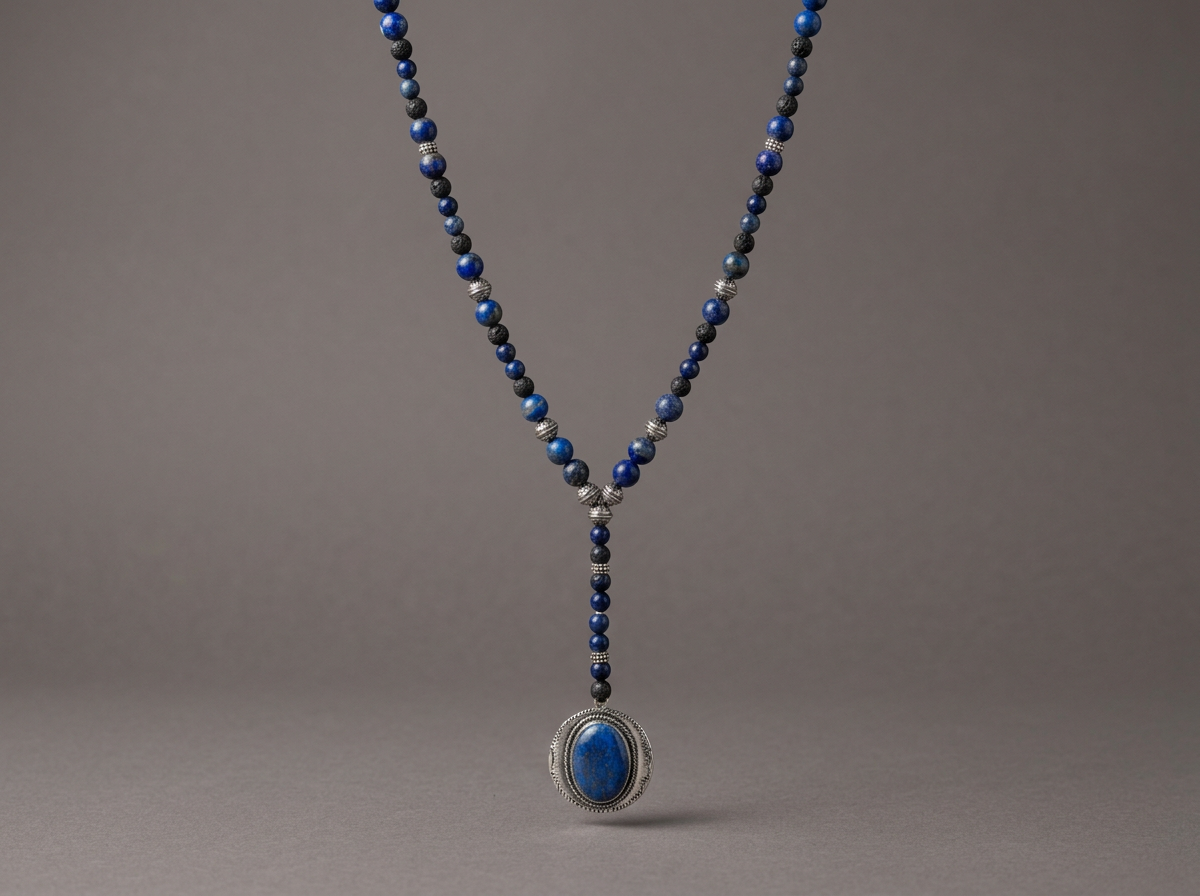
One pair, forged to order.
How I set it
At 7 on the Mohs scale amethyst is hard enough that durability is not the design question here. Colour is.
Purple against oxidised silver is a harder pairing than it sounds. Dark metal can drag a mid-tone purple down and make it read grey. So I keep the silver textured rather than heavily blackened right at the bezel, which gives the purple an edge of brightness to lift off.
The teardrop shape helps too: the length lets light travel through the stone rather than bouncing straight back, and that is what keeps the color alive at arm's length.
Looking after it
Warm water, mild soap, a soft cloth.
No steam and no heat, and avoid abrupt temperature changes — amethyst can fracture from thermal shock. Skip ultrasonic cleaners here as well; the Oxidized silver won't thank you and it isn't worth the risk. No ammonia, no bleach, no silver dips.
Store them out of direct light. This is the one stone in the shop where a dark box genuinely matters.
The silver is meant to darken. If it ever goes further than you want, bring them back — polishing and re-oxidising is free, forever, for anything I've made.
Questions I get about amethyst
Will my amethyst fade?
Not from normal wear. It fades from prolonged intense light and from heat, so the thing to avoid is leaving it in a sunny window for months — not wearing it outdoors.
Is amethyst expensive?
Not any more, and that is a supply story rather than a quality one. It was ranked with ruby and emerald until Brazil turned up.
Is citrine just heated amethyst?
Most of it, yes. Same mineral, same origin, different treatment.
Can you make something specific in amethyst?
Yes — commissions start with a conversation, so just submit a commission request And if you’re buying for someone else and aren’t sure of their size, a gift card lets them tell me.
True power isn't loud—it is an unshakeable inner quiet.
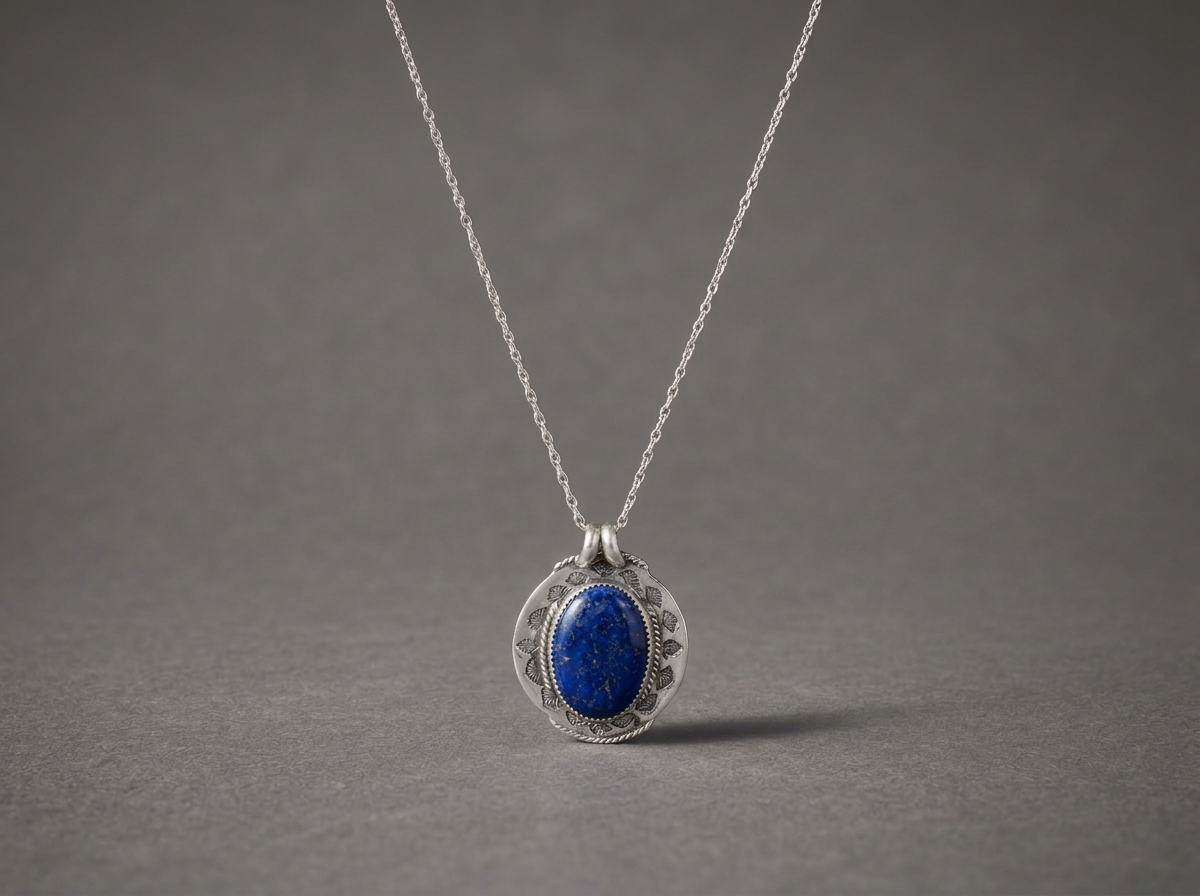
The Sovereign Grace Necklace is the companion piece to the earrings of the same name — a heavy-duty, handcrafted talisman built for anyone who protects their mental clarity with absolute conviction. A single teardrop cabochon of natural purple Amethyst sits in the same ornate, darkened sterling silver crown bezel as the earrings, suspended from a custom twisted sterling silver loop on an 18-inch sterling silver box chain. Worn together or alone, it brings the same sharp, gothic edge to your daily armor.