
Apatite: The Great Pretender
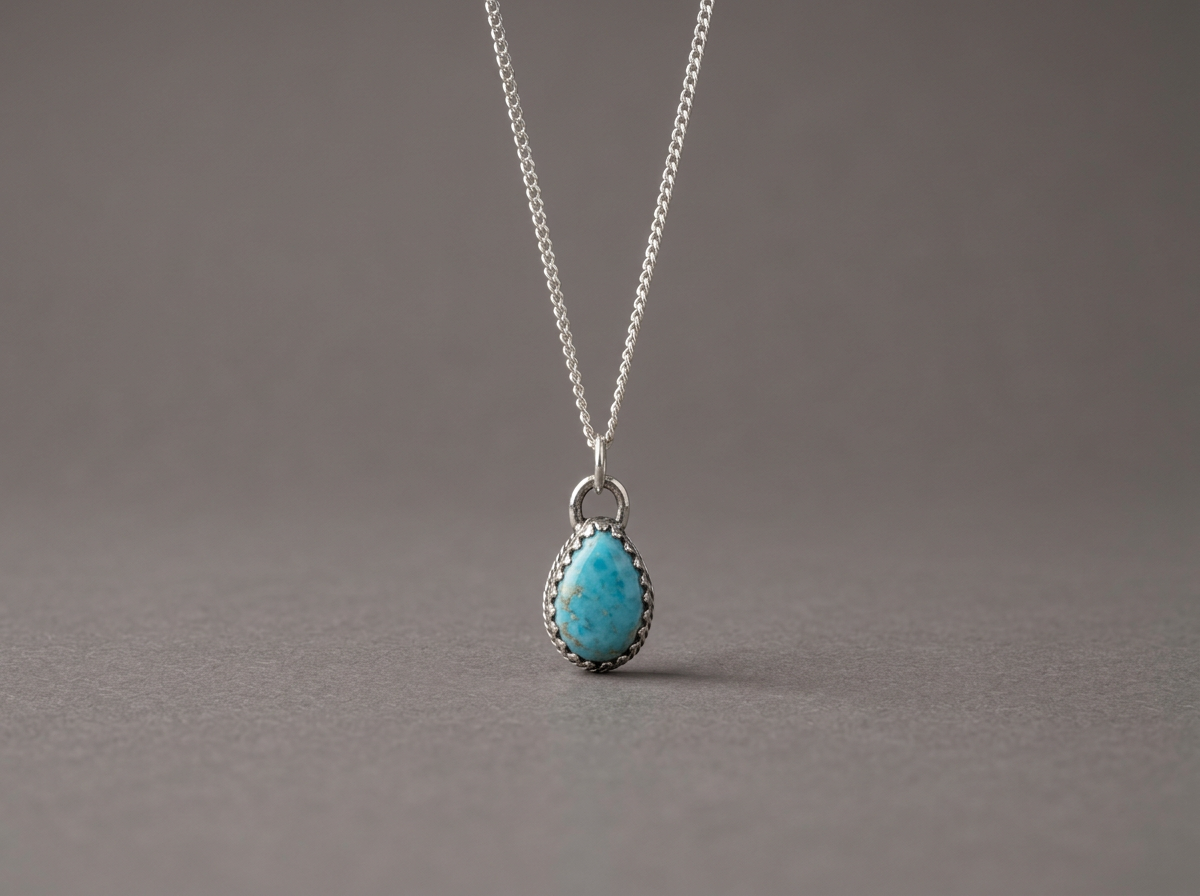
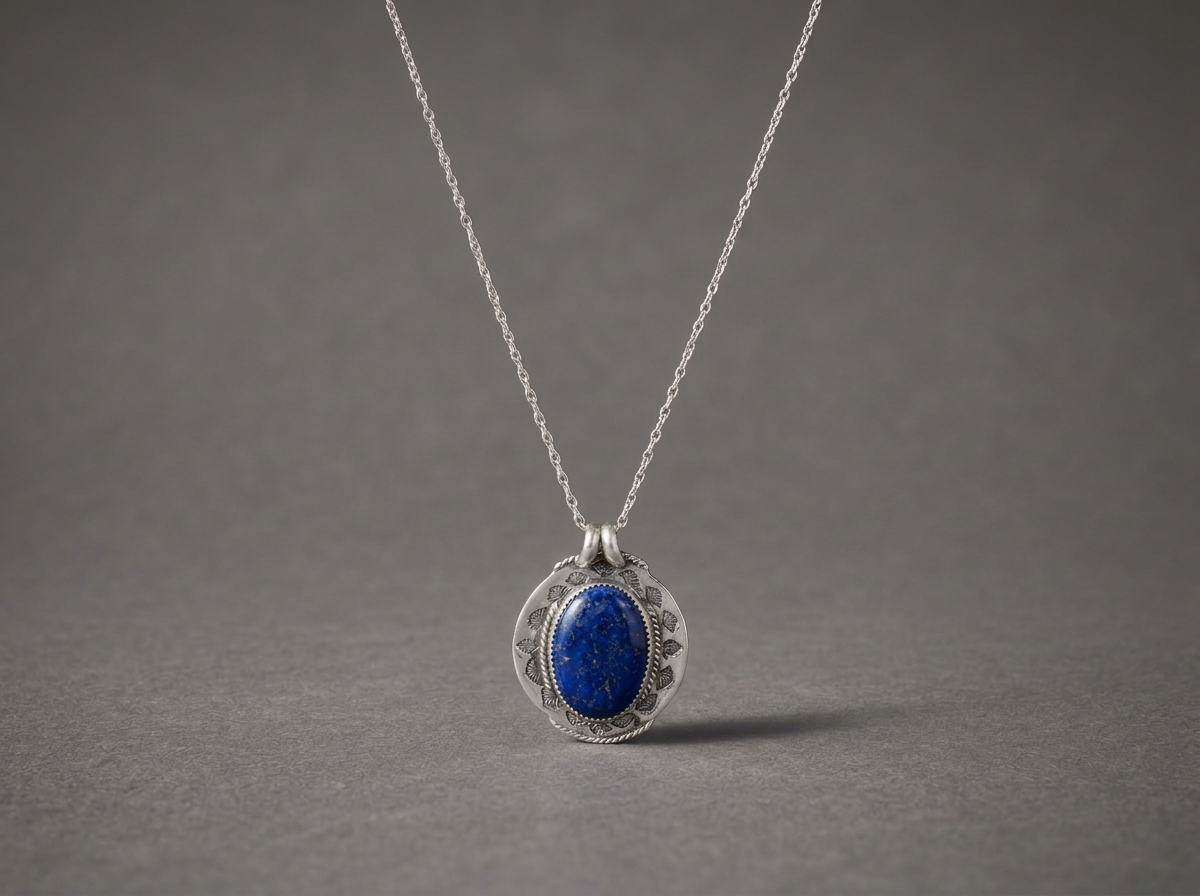
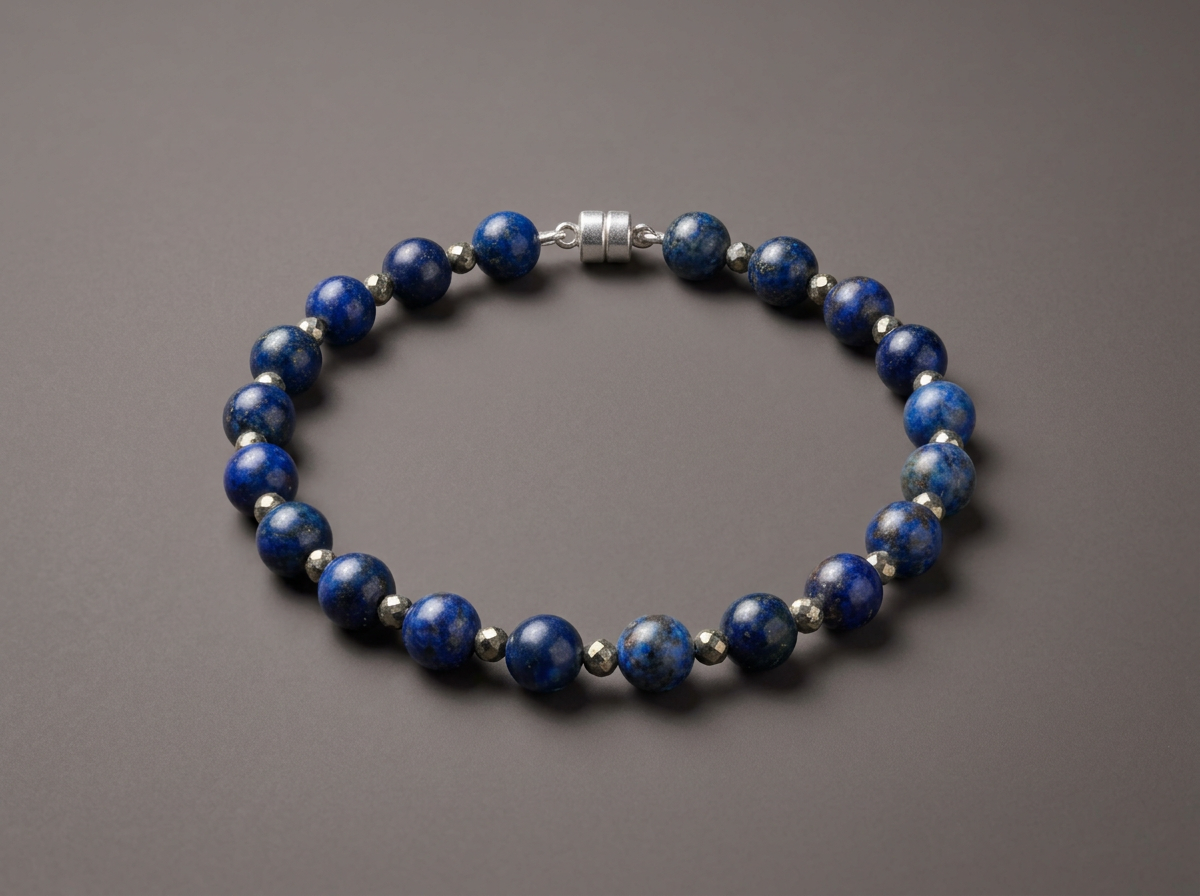
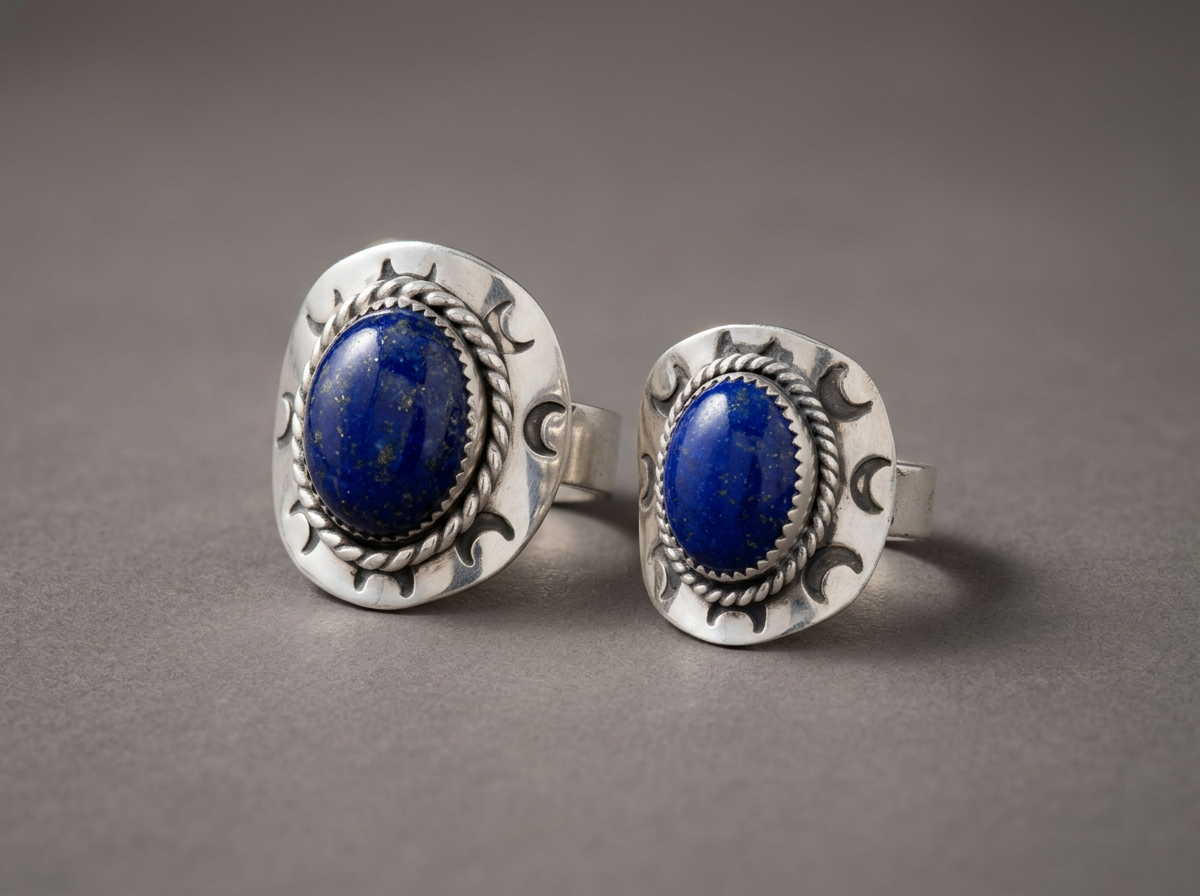
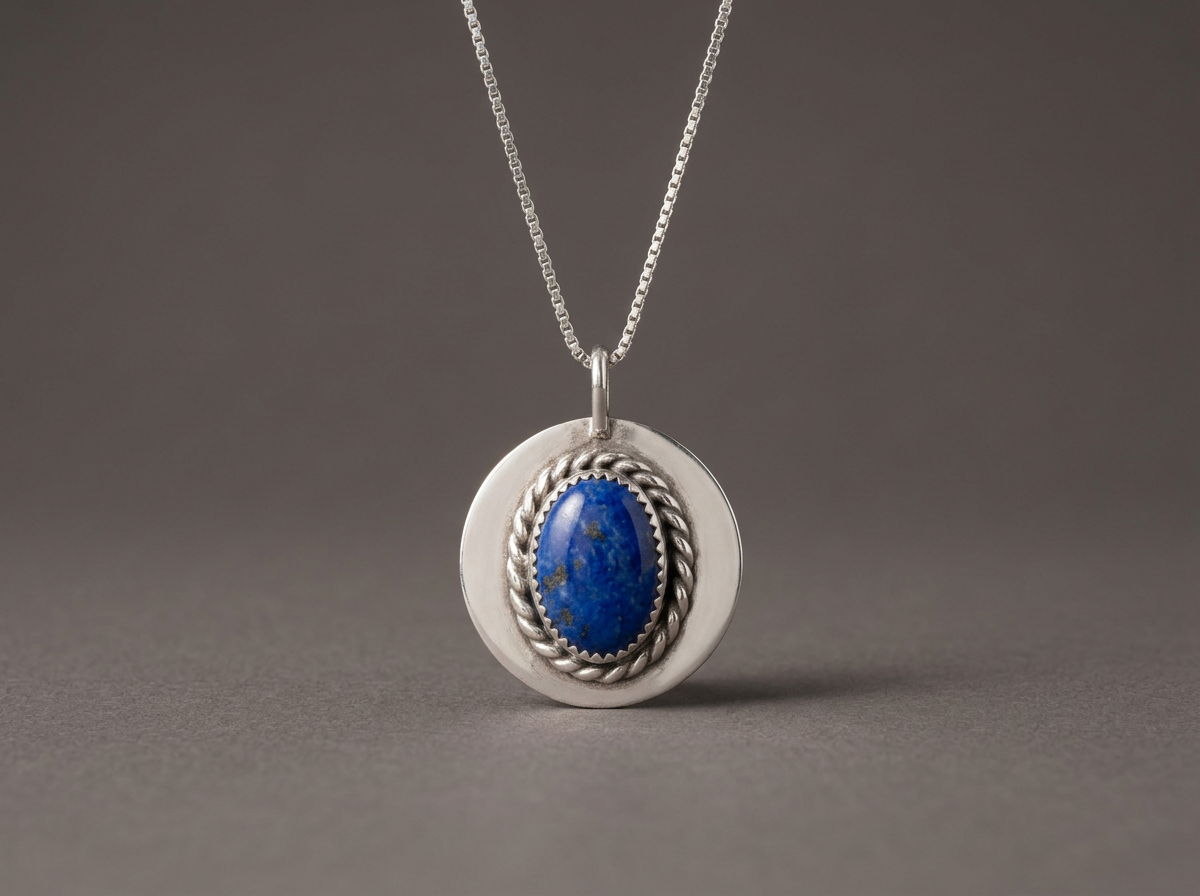
One piece in the shop is set with Apatite — a freeform electric-blue cabochon pendant on an oxidized box chain, hand-forged in Nashville. Below: what Apatite actually is, the one question worth asking before you buy any of it, and everything I set it in.
What Apatite actually is
Apatite is a phosphate mineral that shows up in more colors and crystal shapes than almost any other gemstone — green, yellow, purple, and the saturated neon blue in this piece, usually out of Madagascar. That range is exactly what caused the trouble: for two centuries, Apatite kept getting mistaken for aquamarine, peridot, and tourmaline, close enough in color and habit to fool even trained eyes. In 1786, the German geologist Abraham Werner finally gave it its own name — from the Greek apate, meaning deceit — because it had spent so long successfully pretending to be something else.
Apatite is also the mineral that sits at a clean 5 on the Mohs hardness scale — it's literally one of the reference points the whole scale is built around.
The one question to ask about any Apatite
Is it natural color, or heat-treated? A lot of the lower-saturation Apatite on the market gets heated to push a pale stone toward a more marketable blue. It's a stable, accepted treatment and not a red flag on its own — but it's a fair question to ask, the same way you'd ask about a sapphire. The deepest, most electric blues — like this one — are the ones worth asking about specifically, since that's the color range treatment is most often used to chase.
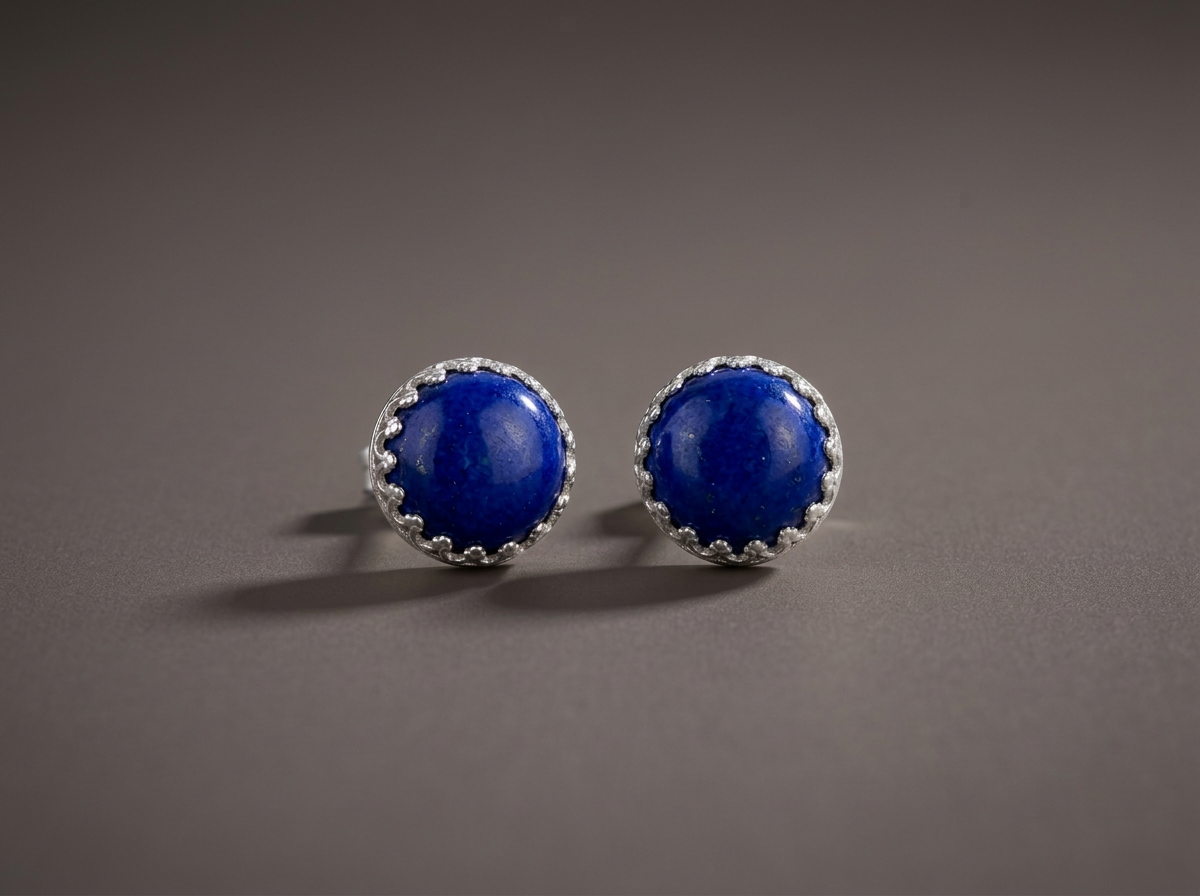
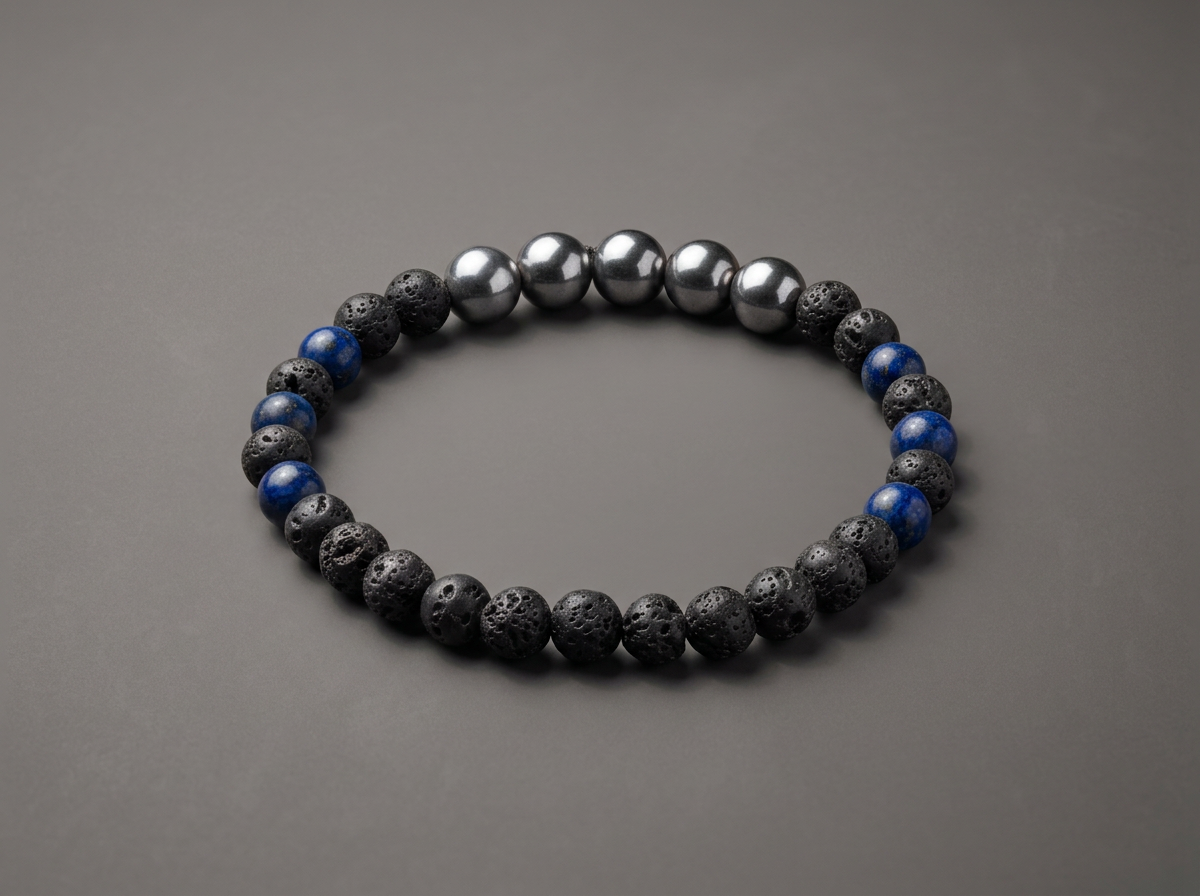
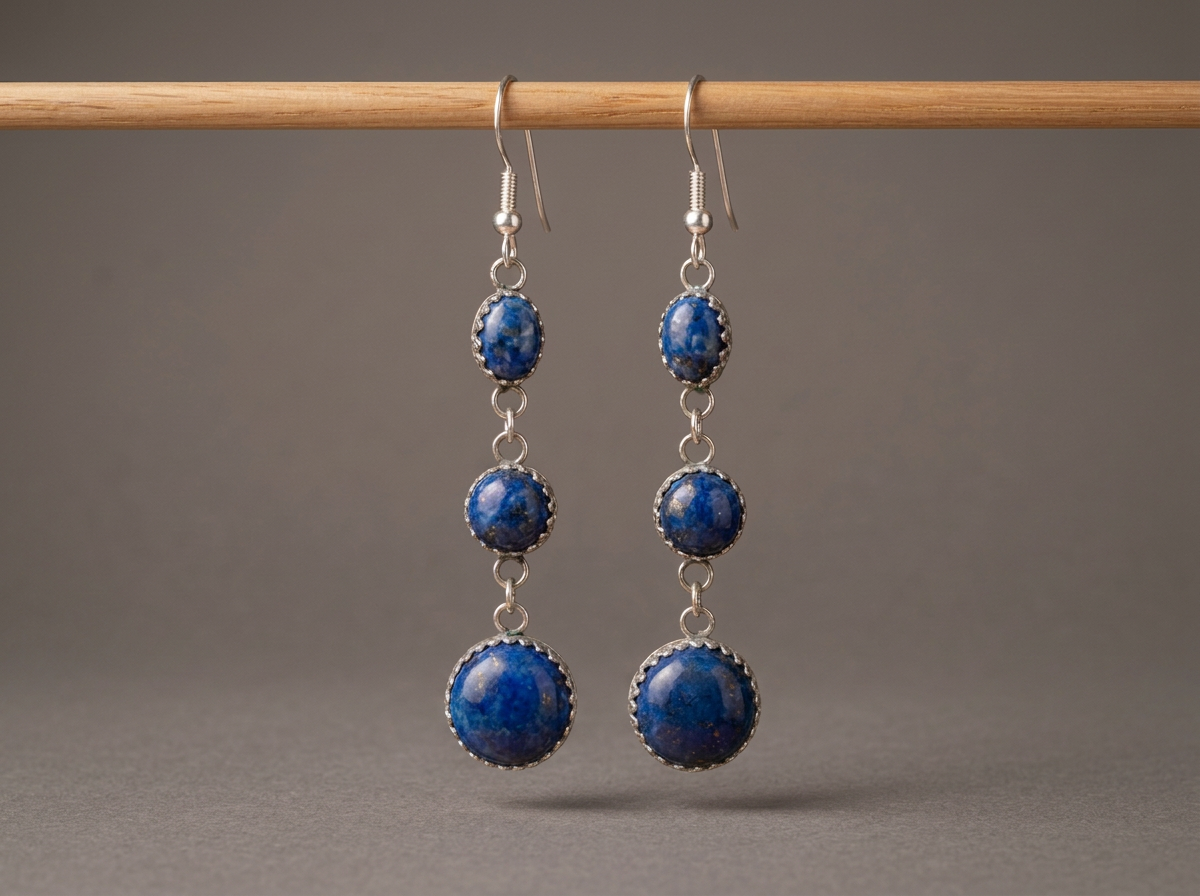
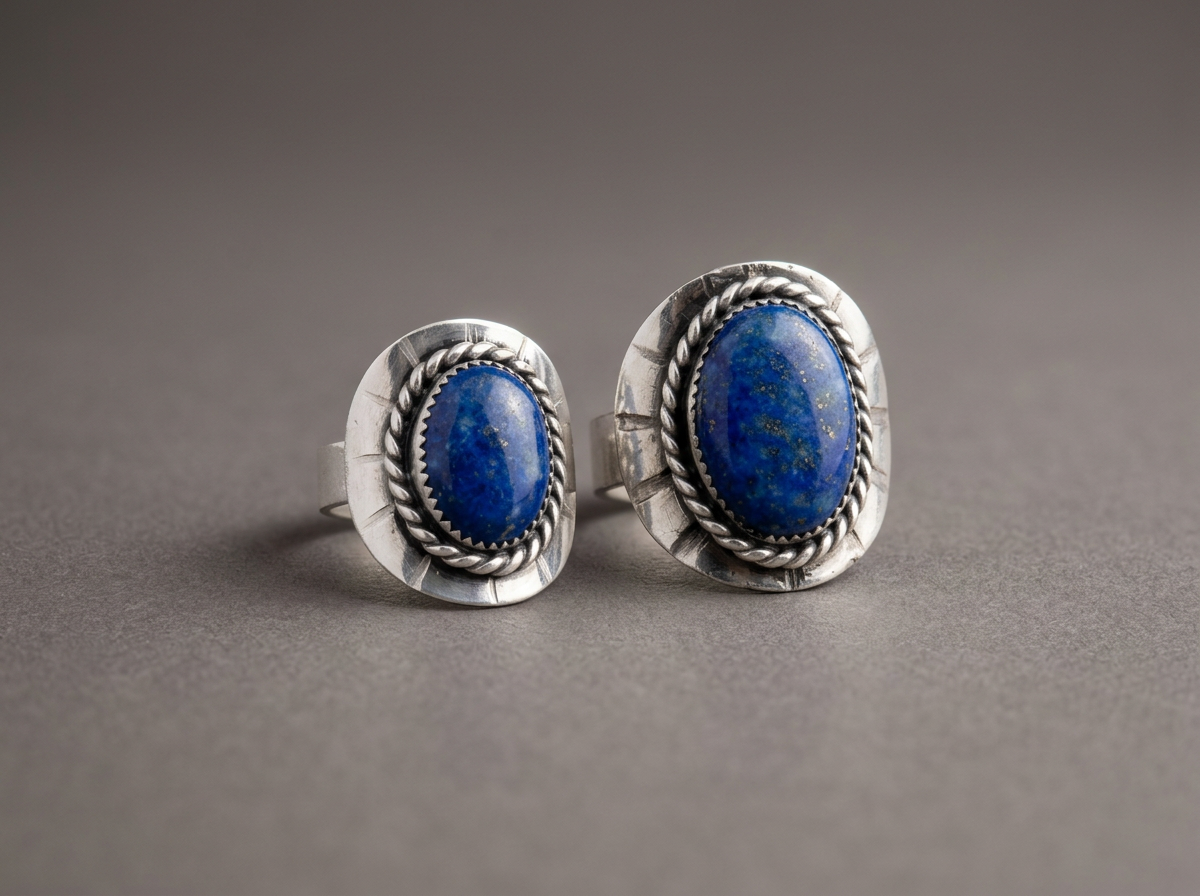
Set in Apatite
One piece…so far
How I set it, and why that matters for Apatite
Apatite sits right at 5 on the Mohs scale — soft enough that everyday knocks matter, in the same range as Larimar and Turquoise. So the stone sits in a bezel rather than prongs, with the silver wall taking the impact the stone can't. I set it after the oxidizing is done, since the chemicals involved in blackening silver can dull a softer stone's surface if they reach it late.
None of that shows in a photograph. It's the difference between a piece you wear for years and one that scratches the first time it's set down on a counter.
Looking after it
Warm water, a soft cloth, dried right away. Apatite is soft enough that it wants gentle handling, not a hard scrub.
Keep it away from ultrasonic cleaners, steam, and the silver dips sold in supermarkets. Perfume, hairspray, sunscreen, and hand cream go on before the jewelry, not after. Off before the gym, the pool, and the shower. Store it away from harder stones that could scratch it in a jewelry box.
The silver on this one is oxidized by design — that's the dark finish doing its job. If it ever wears brighter than you'd like, bring it back to me. Polishing and re-oxidizing is free, forever, for anything I've made.
Questions I get about Apatite
Is this the same stone used in toothpaste?
Different mineral family, same root word — the "apatite" in tooth enamel and the gem Apatite share a name because they're chemically related, but what's in this pendant is cut from gem-grade crystal, not the same material.
Why is the color so bright?
Some of it's natural — Madagascar Apatite runs toward an unusually saturated, almost neon blue — and some pale Apatite on the market is heat-treated to deepen it, a stable and widely accepted process. Ask me about any specific piece and I'll tell you what I know about it.
Can you make something specific in Apatite?
Yes — commissions start with a conversation, so just submit a commission request And if you’re buying for someone else and aren’t sure of their size, a gift card lets them tell me.
Too bright to be real. It's real.
A single freeform Apatite cabochon — electric blue, saturated enough to look synthetic until you hold it — sits in an oxidized rope-twist bezel with a matching rope bail, hung from a fine oxidized box chain. Apatite earned its name from the Greek word for deceit, because for two hundred years it kept getting mistaken for other stones entirely. This one doesn't bother hiding — it's just genuinely that electric.